

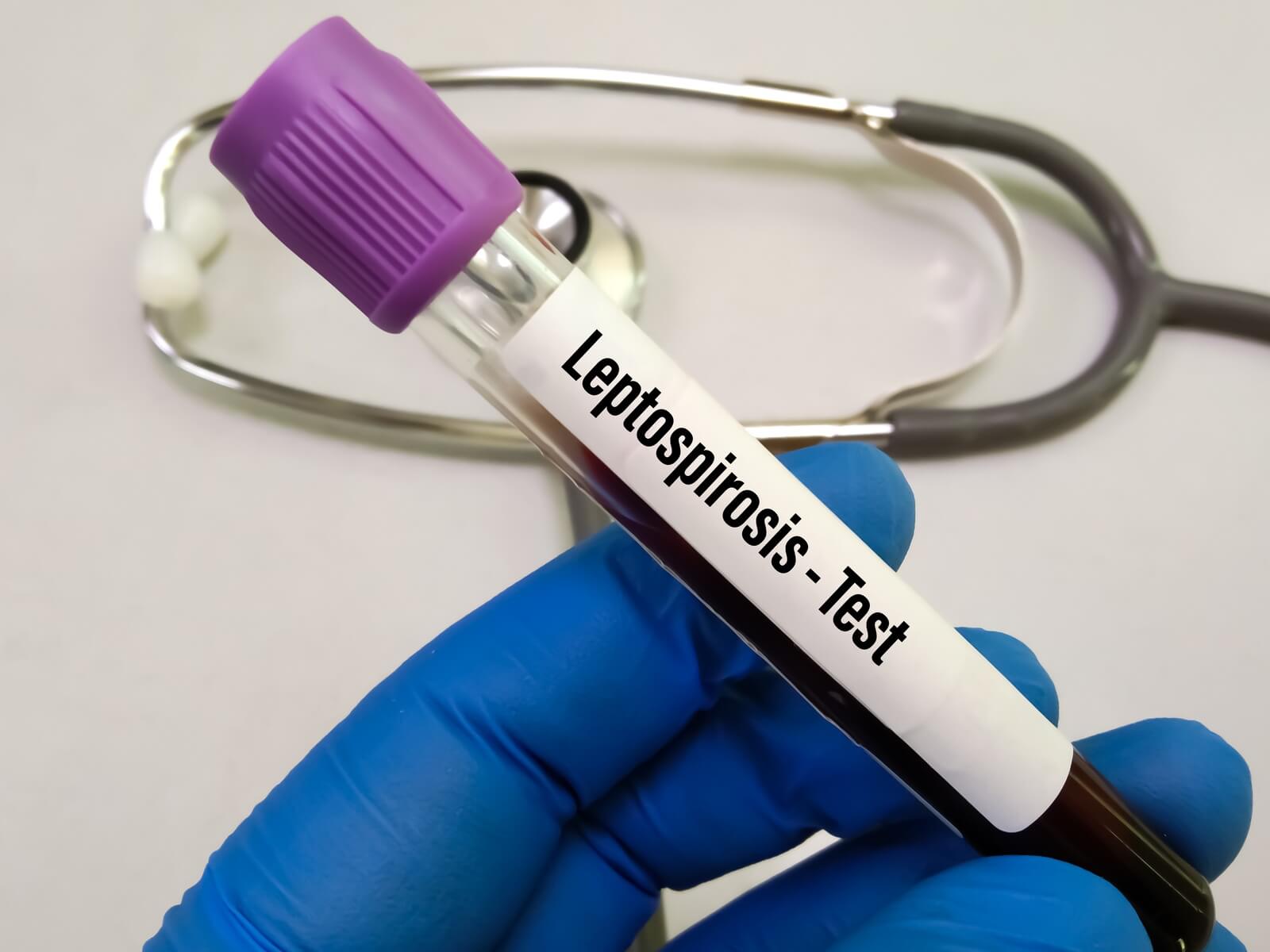
Health officials are warning Territorians about the increased risk of transmission of animal borne diseases this Wet season that can spread from infected animals to humans.
NT Centre for Disease Control director Dr Vicki Krause said cases of bacterial diseases leptospirosis and brucellosis found in animals such as dogs, pigs, cattle, rats, bats, and possums have been reported recently.
“Infection may occur through exposure to an animal or contaminated water, mud, soil or vegetation – especially after heavy rains during the wet season,” Dr Krause said.
She said on average, there are between one and four cases of leptospirosis notified per year in the NT.
However, last year, health authorities said they recorded an outbreak during the wet season of 13 cases, mostly amongst people working in the cattle industry.
This year alone, Dr Krause said, they have already recorded six cases.

“We are asking those who work with animals to remain especially vigilant in the coming weeks, as we have already recorded six cases this year,” she said.
NT Health says the bacteria that causes lepto can enter the body through the eyes, nose, mouth or skin cuts, with symptoms usually presenting around 10 days following exposure.
Common lepto symptoms include sudden fever with headaches, chills, muscle pain and red eyes. Other warning signs include vomiting, diarrhoea, abdominal pain and a cough.
Most people recover without complications however, severe disease can develop from lepto, Dr Krause said.
Signs to look out for include jaundice (yellow skin or eyes), bleeding, kidney problems, breathing difficulties and confusion.
“Treatment with antibiotics as early as possible will help to avoid or reduce severe disease,” she added.
NT Health has identified the known hotspots in the Territory for lepto exposure, they include the Fogg Dam and Harrison Dam areas in Greater Darwin, rural Darwin, the Katherine district, Finniss River, Tipperary, Daly River, and Gunbalanya.
“People who work with animals – such as cattle workers, hunters or vets – or those who are exposed to contaminated water, mud or soil are at higher risk of becoming infected and should get tested early if they develop symptoms,” Dr Krause said.
“Outdoor activities such as camping or bushwalking are also risk factors, especially around rivers and creeks.
“Anyone who develops a fever or becomes unwell after contact with animals or outdoor activities should see their local primary health care centre or GP clinic for assessment.”
NT Health says another bacterial disease recorded in the NT include Brucellosis, a disease caused by the organism Brucella suis, and commonly associated with feral pigs.
It can however affect dogs and other animals.
“Brucellosis can be acquired while hunting, butchering and preparing animals,” Dr Krause said.
Symptoms of brucellosis usually occur five to 60 days after exposure and include fever, headache and muscle and joint pain, she added.
NT Health advises the following measures to reduce the risk of getting infected with bacterial diseases:
- Wear appropriate personal protective equipment such as gloves, eye shields, aprons and boots when handling animals or liquid that may be contaminated by animals
- Wash hands with soap and shower thoroughly after handling animals or carcasses
- Cover skin cuts with a waterproof dressing
- Wear waterproof clothing and footwear outdoors
- Avoid swimming or wading in water that may be contaminated
- Control rodents by cleaning up rubbish and removing food sources
- Do not feed dogs raw offal or feral meat to avoid infecting them.


0 Comments