

A worker at Jacana House in Darwin city has tested positive to Legionnaires’ disease but according to the building’s manager, the NT Health Department has said it was only one of “several random cases” across Darwin and it has no intention of investigating the building.
An email to tenants from Sentinel Property Management property manager Matt Kwietniak sent late in the week, confirmed there was a case of Legionnaires’ disease at the building, but said because of problems with couriers delivering samples over the long weekend, testing of the air-conditioning system would not be done until Tuesday morning.
“In positive news, we have been contacted by NT Health who have advised that there have been several random cases of Legionnaires disease across Darwin and they have no concerns about our building and no intention of investigating it,” Mr Kwietniak wrote.
“We apologise for the late notice, however we have only just been informed by our contractor.”
The Health Department did not respond to questions about whether they were investigating the building, or why they were not.
NT Health also did not say how many confirmed cases were involved in the “several random cases” recently.
The NSW Health website states its public health units actively investigate all cases of Legionnaires’ disease.
Legionnaires’ disease is a notifiable disease under the Notifiable Diseases Act so all cases are reported to the Centre for Disease Control, according to NT Health.
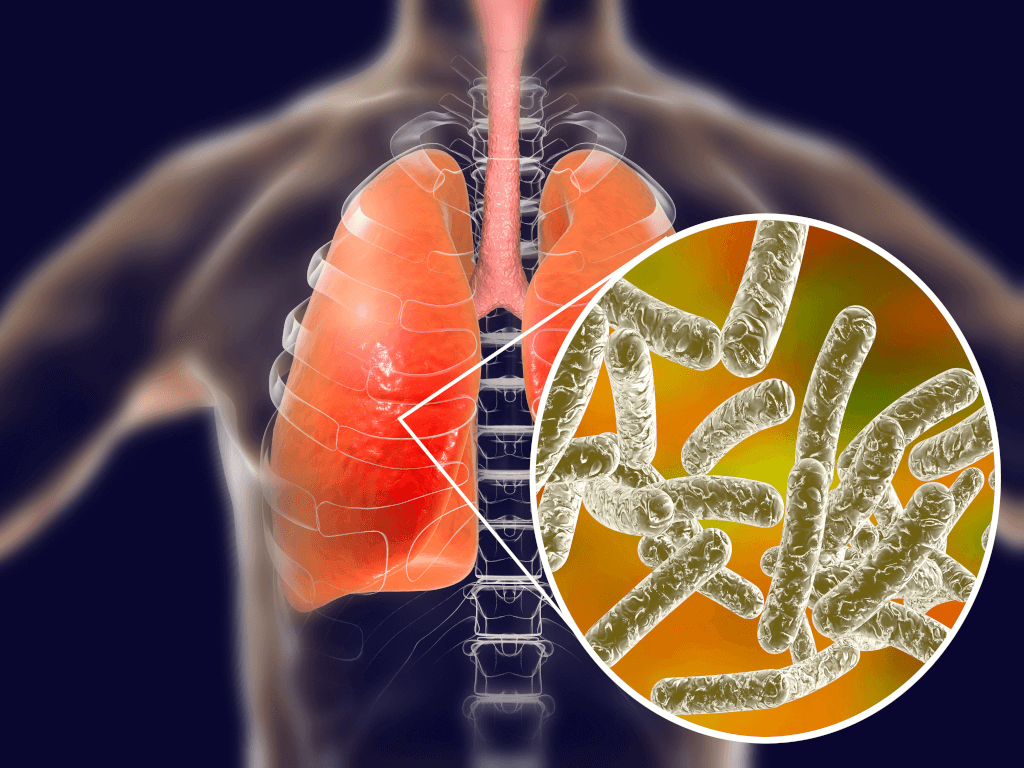
The disease can be sporadic and epidemic in Australia, but there are two species of the bacteria that are most common. Legionella pneumophila is the most publicly associated with the disease, and grows in air-conditioning water towers, spa baths and stagnant water pipes and fittings such as shower heads. Federal Health Department figures show in the Northern Territory it also often comes from Legionella longbeachae which can be in soil and commercial potting mixes.
Legionnaires’ disease is not spread from person-to-person.
It is not clear when the person tested positive and NT Health would not confirm, but their website states it can take two to 10 days for the symptoms to develop after inhaling the bacteria, however symptoms usually appear within five to six days.
Centre for Disease Control stats published in May 2016 state there were 29 cases of legionellosis in total reported in the Northern Territory over the previous five years, and about 350 to 500 notified nationally each year in that time period.
Sentinel Group Australia spokesman said in a statement the company had been notified that the NT Department of Health has advised the building is not the likely source of a suspected case of Legionnaires’ disease.
Community and Public Sector Union NT regional secretary Kay Densley questioned why the Health Department would not issue a public statement.
“I cant believe the Department of Health aren’t taking this seriously,” she said. “I find it really appalling they not concerned about it. Where are we going here?”
The union said based on information provided to them from the National Indigenous Australians Agency, the person who caught legionnaires was working on the ground floor.
“All PCBUs (person conducting a business or undertaking) are attempting to work together to ensure the safety of workers,” a union email states.
“Building owners are in the process of arranging testing of the building for the potential biological hazard.
“The NIAA has directed workers to WFH (work from home) until test results are known, which will not be until Tuesday.
“Until testing is complete of the building (including air-conditioning and water sources) the only appropriate action for PBCUs to take is to close the workplaces until such time worker safety is confirmed.
“If people are unable to WFH, the employer should facilitate additional/ miscellaneous leave.”
The Federal Government’s Health Department describes Legionnaires’ disease as an “uncommon, severe, and sometimes life-threatening form of pneumonia, or lung inflammation caused by Legionella bacteria”.
It said the disease was mostly contracted by older people, smokers and people who have suppressed immune systems because of medications or illnesses such as cancer, kidney failure, diabetes or HIV.

0 Comments