

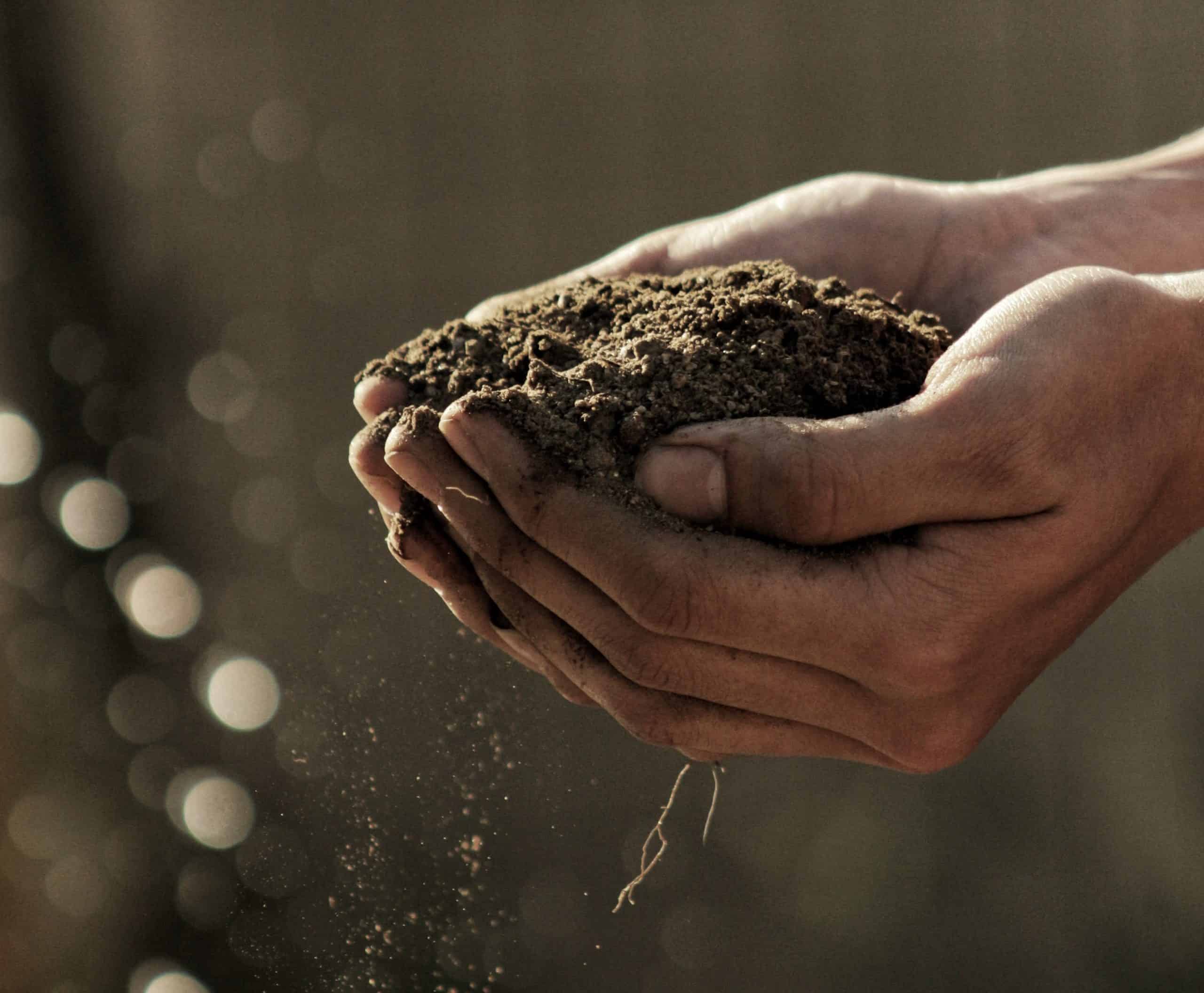
Yard waste weighing the equivalent of nine Boeing 747s has been processed into mulch in just three months at the Shoal Bay Waste Management Facility under a new council initiative aimed at diverting green waste from landfill.
Once left to rot in Darwin’s landfill site nearing capacity, palm fronds, shrubs, small tree prunings and lawn clippings can now be swapped for mulch.
Scott Waters, CEO of the Darwin Council said the mulch will be sold commercially across the Northern Territory to the horticulture, agriculture and landscaping markets, “turning it into a valuable commodity.”
“Our Lord Mayor declared a climate emergency in 2019 and I’m delighted to see City of Darwin taking a leadership role in this area, by integrating sustainable principals into its operations,” he said.
Mr Waters said the move represents an “exciting direction for City of Darwin” as the mission to divert material away from landfill soldiers on.

Darwin Council CEO Scott Waters.
“The creation of mulch from green waste represents a circular economy; we are extending the lifecycle of this resource by recycling and repurposing it to create a saleable material.”
The council now repurposes cardboard, metal and green waste, but is yet to tackle Darwin’s biggest recycling problem: plastic.
The council says more than 700 tonnes of metal waste has been diverted from landfill over the past five months.
Peter Wadewitz, the managing director of Peats Soil, will be overseeing the mulch production and says the end result will not only benefit residents and their gardens, but also fruit and vegetable growers, civil contractors and manufacturers.
“Our product will improve soil production, water retention, is environmentally sustainable and carbon friendly and we are ready to work with the agricultural industry in the Territory to deliver great outcomes,” he said.
Methane emissions derived from organic waste have attracted the attention of researchers as a considerable contributor to global warming.
Australia generates more than 67 million tonnes of waste a year, according to the latest data compiled in the National Waste Report, 2018. More than 14 million tonnes of that is organic waste, comprised of green waste and food.
“When green waste ends up in the landfill the decomposition produce the greenhouse gases carbon dioxide and methane,” Mr Waters said.
“From a climate perspective, diverting green waste from landfill has the largest impact of any solid waste component.”
He said the commercial mulch production complements other initiatives being rolled out by the Darwin Council, including the use of recycled asphalt to reseal Point Road and Marina Boulevard this month.
However, it had transported old asphalt, plastic and ink cartridges from interstate despite tonnes of shattered glass and plastic mounting at Darwin’s Shoal Bay Waste Facility.

Mr Waters said the council has also awarded a seven-year waste management contract to Veolia, which focuses on improving sustainability outcomes for Darwin.
“Veolia has been managing Shoal Bay for just five months and we have already overseen major changes to operations, including significant diversion of materials from landfill,” Veolia’s NT manager of resource recovery Nick Walker said.
Residents of Darwin can dispose of household green waste for free at Shoal Bay Mulch inside the Shoal Bay Waste Management Facility.

0 Comments