


By Dr Anthony Bloch, chair of the Australian Multidisciplinary Association for Psychedelic Practitioners
On 1 July 2023, the Therapeutic Goods Administration enacted changes to the classification of psilocybin and MDMA to enable prescribing by authorised psychiatrists for treatment-resistant depression and PTSD.
To prescribe, psychiatrists must submit a complex research-like proposal to a Human Research Ethics Committee to then be considered under the Authorised Prescriber Scheme by the TGA.
While I support the safe and effective use of psychedelic-assisted therapy in Australia, I feel there is an urgent need for a comprehensive review of the current rules and regulations that govern it. I believe such a reassessment is necessary to ensure that these medicines are used safely and responsibly and that their full potential as a therapeutic tool is realised.
This urgent call to action is echoed by medical and healthcare practitioners within the Australian Multidisciplinary Association for Psychedelic Practitioners.
AMAPP is a registered multidisciplinary organisation and charity made up of psychedelic-trained health practitioners, including doctors, psychiatrists, psychologists, nurses, paramedics and social workers. It exists to provide governance to this multidisciplinary space and to provide education and leadership.
While psychedelic-assisted therapy is a promising tool for the treatment of mental illness, there is work to do to ensure a rollout that is safe, accountable, effective and accessible to those who will benefit. At present, those goals are in doubt due to an uncoordinated response from the parties involved.
At AMAPP, we believe that there is a need for practical guidelines that are fit for purpose.
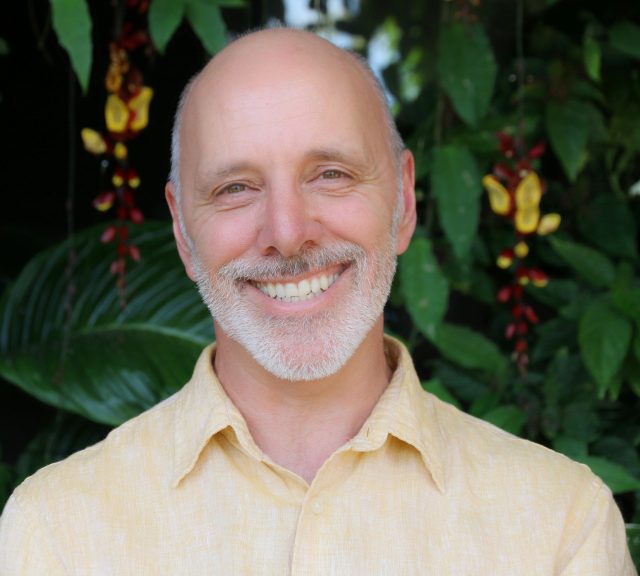
Dr Anthony Bloch.
To this end, our members, many of whom have extensive experience understanding and working with psychedelic medicines for the treatment of psychiatric disorders, have come together to develop safe, efficient and practical guidelines for the use of psychedelic-assisted therapy as well as educational resources for general practitioners and the public.
We feel that some of the current regulations and recommendations made this year by the TGA, the Royal Australian and New Zealand College of Psychiatrists, and some state governments need review. While made in good faith, some are contradictory or fail to achieve intended goals, and some may cause harm.
The TGA decision, made in Feburary 2023, was unexpected in its timing, but it followed the (albeit nascent) science. However, some of the subsequent guidelines do not.
The premise of psychedelic therapy is that after intensive preparation over days to weeks, which explores issues and builds deep trust with the therapists, a patient is then offered a drug in a very tailored environment with every aspect from furnishing to music carefully curated to achieve a state in which the psyche’s usual protective mechanisms can loosen or disappear for a few hours.
This altered state of consciousness allows for profound shifts in thinking and perception, which by themselves can heal. These shifts can then be leveraged by subsequent therapy (integration) over the next weeks and months to help form these new insights into a more permanent and healthy psychological state.
Harm is more likely if these practices are not followed. In the right hands, a challenging experience can yield great change and benefit. The flip side is a “bad trip” with long-lasting harm.
Given these nuanced needs, the current regulatory system is virtually unworkable, overly conservative and cumbersome. It needs to evolve with the help and input from all the practitioners with appropriate knowledge and experience working in the psychedelic field.
AMAPP is proposing an urgent collaboration so that all those involved in this work can come together and develop comprehensive and consistent guidelines and regulations. For us, what is most important is the best possible patient outcomes, with safety and accountability at the core. We do not feel that current guidelines are explicit in these goals.
Language is vague and, at times, falls outside of the remit and expertise of the writers. At other times, it sacrifices access to the treatments without a safety benefit or sacrifices safety due to ignorance of the nuances mentioned above.
The current TGA requirement for a psychiatrist to be physically present at every therapy session and personally administer medication to clients, regardless of their role within the therapy team, is an impractical and cumbersome practice, which could adversely affect the carefully curated environment, so essential to safety and success.
Most psychiatrists would be unable to comply with this in their current practice model. This then limits capacity.
In some cases, it would be inadvisable and may contribute to worse outcomes in clients who have had to have prolonged and careful preparatory sessions with therapists they have come to trust.
Several other issues also need to be clarified, such as appropriate qualifications for therapists, advertising, clinic locations and types, the need for uniform national HREC standards, and the future collection of accurate treatment and research data.
We are proposing that the TGA, state health departments, Human Research Ethics Committees, research institutions, the RANZCP, Aboriginal mental health organisations, and the colleges representing our members get together and formulate ways of significantly improving the current inadequate state of play.
Failure to address these issues may also push desperate, vulnerable patients unable to gain access to unregulated therapists where actual harm is more likely.
At AMAPP, we know that psychedelic-assisted therapy is a very promising treatment modality in this era of increasing mental health morbidity, which is overwhelming our resources from GPs to tertiary psychiatric institutions.
Like everyone else, we want psychedelic-assisted therapy to be introduced safely and carefully, but the current situation in Australia does not meet the potential treatment needs of many of our patients.
The current regulations are counterproductive and limited by obfuscation and too much bureaucracy. We demand change for the sake of our patients. The world is watching.
Dr Anthony Bloch works as a rural generalist senior medical officer. His work takes him all over the country and to date he has worked in over 50 communities in Australia from the Torres Straits to South Australia and Sydney to Kalgoorlie. As much of this work is emergency and critical care, he is confronted every working day with the limitations of our mental health treatments to reduce the suffering of Australians from the cities to the remotest of Indigenous communities. He completed a certificate in psychedelic-assisted therapy in Australia in 2021 and then the certificate in psychedelic-assisted therapies and research with the California Institute of Integrated Studies in 2022.

0 Comments