

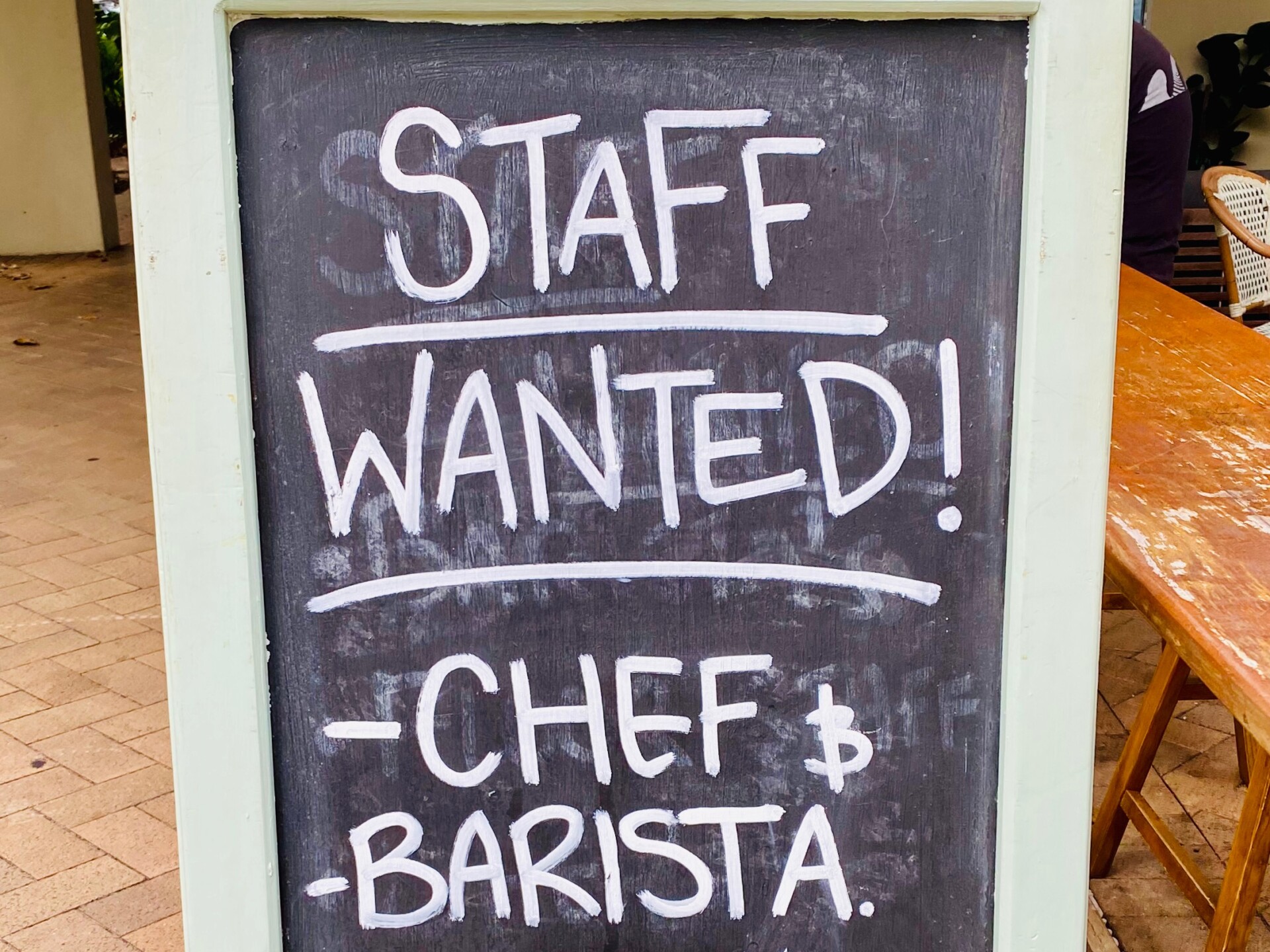
The NT Government and the private sector have stepped up its global recruitment of workers as the jurisdiction’s worker shortage hits an estimated 5,000, impacting the mining, construction, and hospitality sectors.
Chamber of Commerce NT chief policy officer Stephen Goodall said that even with a backing of a $200,000 grant from the Territory Government, local industries trying to recruit workers were facing competition not only from other countries but also from other Australian states and territories.
The Fyles Government, in an attempt to address the worker shortage, announced a new employment campaign as part of its $12.8 million worker attraction program to try and recruit 100 employees from the United Kingdom and Ireland for the hospitality sector before the territory’s peak tourism starts.
That will include an un-costed delegation led by Hospitality NT to fly to the UK next month to attempt to attract workers from Cork, Birmingham, Manchester and Dublin.

“We know that the coming months will be really important, particularly for Darwin, and right up and down the Northern Territory. Our events go through the roof,” Business, Jobs and Training Minister Paul Kirby told the ABC.
Last month, representatives from the mining and construction industries ran four employment expos in the Philippines and India, with hopes of attracting skilled workers to move to the territory.
“We’ve done all sorts of promotion, both of the Northern Territory as a destination to come to live and work, and then obviously the encouragement of people with real, tangible skills to be able to connect up with genuine employers,” Mr Goodall said.
This follows the government’s Offshore General Skilled Migration (GSM) program which provides incentives and access for skilled overseas workers to work and migrate to the Territory, with workers who meet the government’s employment criteria able to obtain a five-year provisional visa, which could lead to permanent residency.
The new program will focus on qualified workers in vital industries such as health, science, finance, agriculture, construction, telecommunications, information technology, and hospitality.


0 Comments