

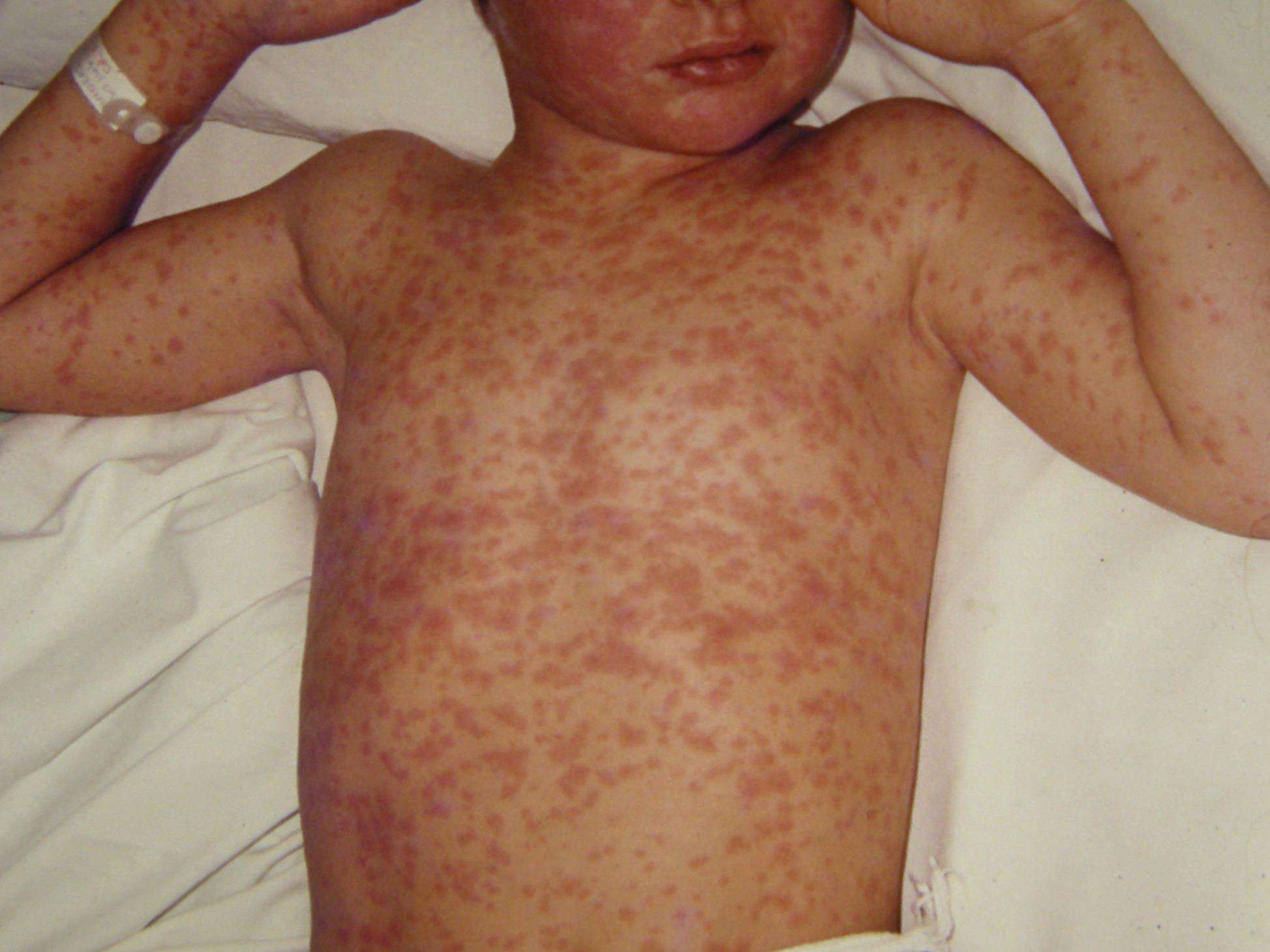
NT Health has issued a measles alert after a confirmed case in Greater Darwin with the department warning anyone who was on a plane with the infected person either to or from Cairns, or who was at a Berrimah takeaway food joint while they were there, need to be alert for symptoms.
Chief health officer Dr Christine Connors said in a statement the measles case was detected at Palmerston Regional Hospital, while patients and staff present in the Emergency Department when the infected person was there have been identified and contacted by the NT Centre for Disease Control.
She said the person was believed to have been infected on a recent trip to Indonesia and was on flights from Darwin to Cairns and from Cairns to Darwin while infectious.
“There may be other locally-acquired cases in the community which might present over the next three weeks, so please be alert for symptoms of measles even in those who haven’t travelled,” Dr Connors said.
“Travellers are urged to ensure they are up to date with all vaccinations, including measles-containing vaccination.”
Dr Connors said the infected person was on the Air North Flight TL160 from Darwin to Cairns (which stopped over in Gove) on January 24, and the Air North Flight TL161 from Cairns to Darwin (which stopped over in Gove) on January 27. The person was at the luggage pickup area on that day from 4 pm to 5 pm.
They were also at the Mckinnon Snack Bar and Takeaway in Berrimah on January 28 from about 9am to 9.30am.
“Anyone who participated in these locations during these times needs to monitor for symptoms for the next few weeks,” Dr Connors said said.

Meanwhile Dr Connors is also advising pregnant women to get the free respiratory syncytial virus (RSV) vaccine under the National Immunisation Program.
The vaccine is recommended at 28 to 36 weeks gestation with the government saying that it protects babies from RSV from birth to about six months old, which is the age they are most at risk of severe disease.
Dr Connors said that receiving a vaccine while pregnant can lower the risk of severe RSV illness in infants under six months of age by about 70 per cent.
RSV is a highly contagious virus that primarily infects the upper airways and lungs. It spreads through respiratory droplets from coughs or sneezes and can easily transmit within families and communities.
Symptoms include a runny nose, cough, wheezing, difficulty breathing, and fever, potentially leading to severe respiratory illnesses like bronchiolitis, pneumonia, and croup.
While the virus mainly affects infants and young children, it can also impact older adults.


0 Comments