

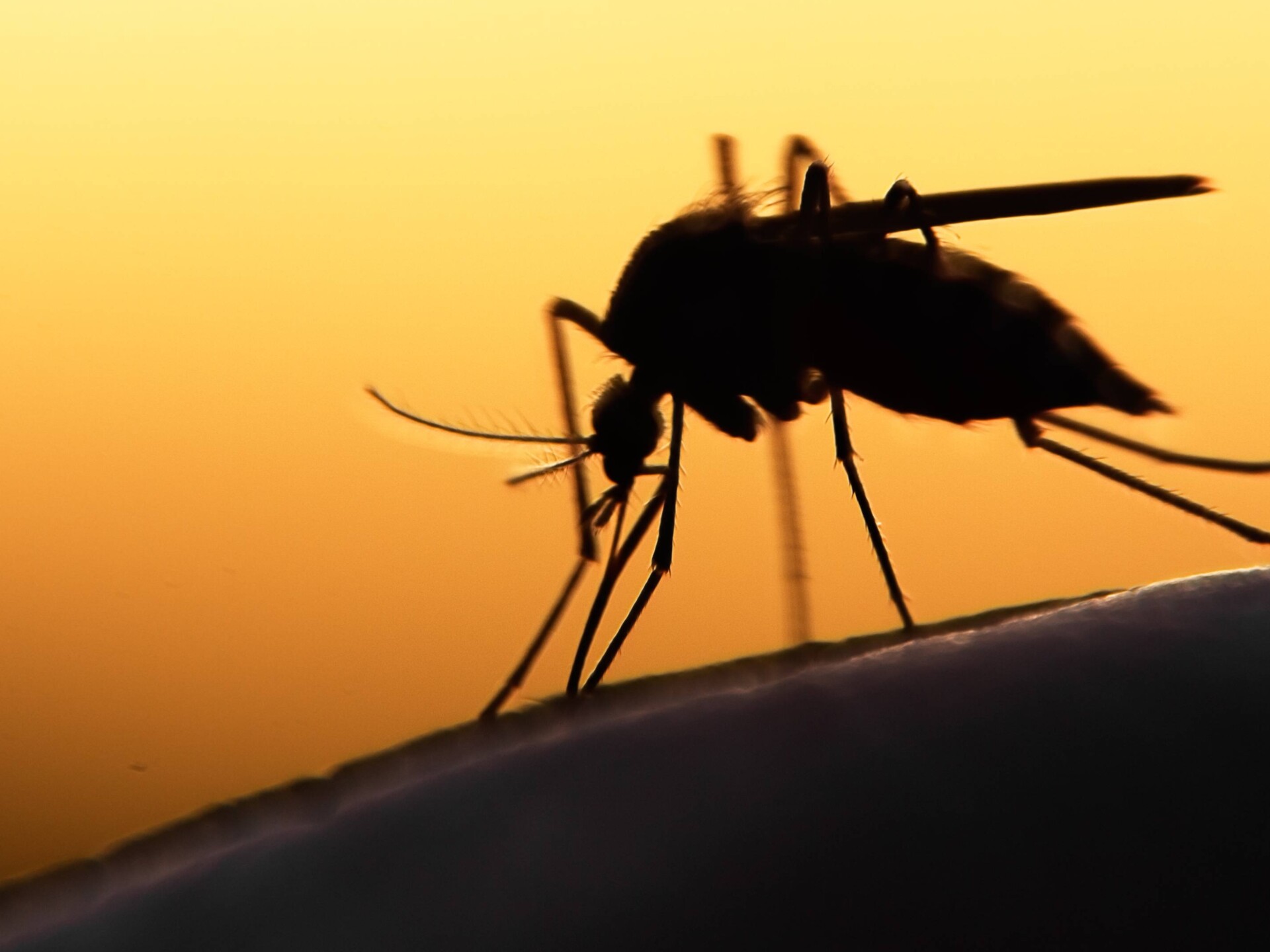
Two people have died from Murray Valley encephalitis in Alice Springs, one this month and one last month, prompting NT Health to issue urgent warnings for NT residents and visitors about the fatal mosquito-borne disease, that has also been detected on two occasions in mosquitoes around Darwin this year.
The Health Department has broadened the risk area for MVE, now encompassing all regions of the Territory, due to this year’s substantial rainfall.
MVE is a rare yet serious mosquito-borne illness that can be life-threatening. It is transmitted by mosquitoes that carry the MVE virus, with the highest transmission rates typically occurring from February to June, and the majority of cases reported between March and May.
Health officials said mosquito populations are likely to remain elevated in the Top End, Big Rivers, Greater Darwin, and East Arnhem regions until the end of July, as water sources such as isolated pools create ideal breeding conditions.

The department said it continues to conduct mosquito surveillance and testing throughout the Top End from January to June each year, collaborating with Berrimah Veterinary Laboratories to monitor for the MVE virus.
Since the beginning of January, the MVE virus has been found in mosquito samples collected near Darwin on two occasions, the government said.
Mosquito control measures across 35 hectares of breeding habitat in the Leanyer and Mickett swamps were undertaken in late April this year, with additional efforts planned for this week.
The number of mosquitoes in Central Australia and the Barkley regions is expected to drop to minimal levels due to cold night temperatures.
Since the initiation of MVE surveillance in 1974, there have been 48 recorded cases in the Territory, including the two recent fatalities in Central Australia.
During the 2023 outbreak, eight cases were confirmed, resulting in two deaths and two individuals experiencing severe neurological impairment.

Health officials warned that mosquitoes are most active after sundown, at night and early in the morning.
To protect against MVE, it is advisable to apply insect repellents containing DEET, picaridin, or oil of lemon eucalyptus (PMD).
Wearing light-coloured protective clothing and ensuring that feet are covered can also help reduce the risk of bites. When camping, it is important to ensure tents are mosquito-proof.
Additionally, infants and children must be adequately protected from mosquitoes. Avoiding mosquito-prone areas, particularly after sundown, can further minimise exposure.
Using mosquito coils or lanterns, along with insecticide-treated pads for patios and verandas, is another effective measure to keep the pests at bay.
More information about MVE can be found at Murray Valley encephalitis | NT.GOV.AU


0 Comments