

A life-threatening, but completely preventable disease disproportionally impacting Indigenous Australians now has a blueprint to elimination, the senior author of the strategy Jonathan Carapetis has said.
Five years in the making, leading infectious diseases specialists and leading health and research organisations – including the National Aboriginal Community Controlled Health Organisation (NACCHO) have developed the RHD Endgame strategy: the blueprint to eliminate rheumatic heart disease in Australia by 2031.
Senior author of the strategy, Jonathan Carapetis has been researching the disease for decades.
He said the strategy marks the first time comprehensive evidence based steps have been set out to eliminate the disease impacting more than 5,000 Aboriginal and Torres Strait Islander people.
Despite millions of dollars thrown at finding a cure over the years, the Northern Territory is home to some of the highest rates of rheumatic heart disease, according to the National Rheumatic Heart Disease Data Collection.
Eliminated in most developed countries and most Australian cities, rheumatic heart disease is still a devastation in rural and remote communities, Mr Carapetis said.
“RHD is rare among non-Indigenous people, yet Aboriginal and Torres Strait Islander people have some of the highest rates of the disease in the world,” he said.
“This is a disease that is usually only seen in developing countries and its persistence in Australia is an ongoing injustice.”
Rheumatic heart disease is a permanent form of heart damage, caused by exposure to strep A infection. It begins with a sore throat or a skin sore and spreads quickly in overcrowded houses.
Without implementation of the Endgame Strategy, another 8,000 Aboriginal and Torres Strait Islander children are projected to develop rheumatic heart disease over the next decade, Dr Carapetis said.
“Of these people, 650 will likely die and 1,300 will need open heart surgery.”
The Endgame Strategy was launched last week by federal Health Minister Greg Hunt, and states appropriate housing is key in the fight against the deadly disease.
Reducing overcrowding and improving living conditions including unlocking better access to clean running water and washing machines would reduce the likelihood of getting strep A, and in turn RHD.
However, better infrastructure and additional housing requires funding, especially in the Northern Territory where it was last year estimated between 8,000 and 12,000 new homes are needed across the NT, according to the government.
Dr Carapetis highlighted that without a catalytic investment, the Federal Government was unlikely to meet its commitment to eliminate the disease by 2031.
“The Commonwealth Government has been open about their commitment to eliminating RHD within the next decade, so we hope that with the release of the Endgame, we now have the final piece of the puzzle needed to make this shared vision a reality,” Dr Carapetis said.
“We know, without any shadow of a doubt, that by implementing the Endgame strategy, we can prevent the next generation of Aboriginal and Torres Strait Islander children and their families from bearing the physical and emotional scars of rheumatic heart disease.”
Call for the cycle to end
Prominent Indigenous leader and NACCHO chief executive officer Pat Turner said the Endgame strategy is “transformative”, and called for government funding and commitment to tackle the disease.
“It really is unconscionable to let the next generation of our children develop this disease – to be subjected to heart surgery, a needle every month, and have their life expectancy limited by decades – when we know how to stop this,” she said.
“Kids are coming off country for months at a time for surgery, people are dying before their time.
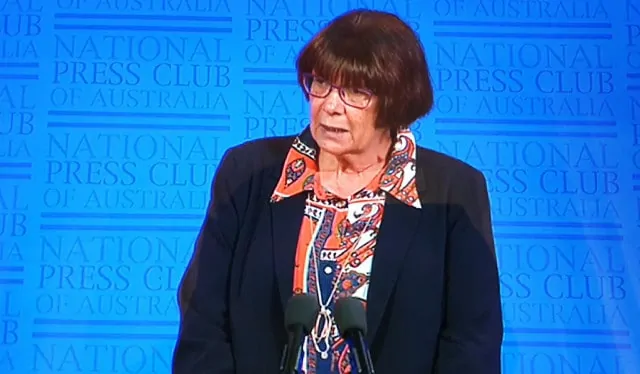
NACCHO chief executive officer Pat Turner said government funding was vital to “make ending this disease possible”. Picture: NACCHO
“We’ve got the community demand, Aboriginal and Torres Strait Islander leadership – and with the Endgame Strategy, a culturally appropriate and meaningful plan.
“What we need now is funding and commitment to actually do the work on the ground to make ending this disease possible.”
The strategy would require more than $31 million over the first three years, on top of the $35 million announced by the Indigenous Health Minister Ken Wyatt in 2019 for a vaccine to end rheumatic heart disease.


0 Comments