

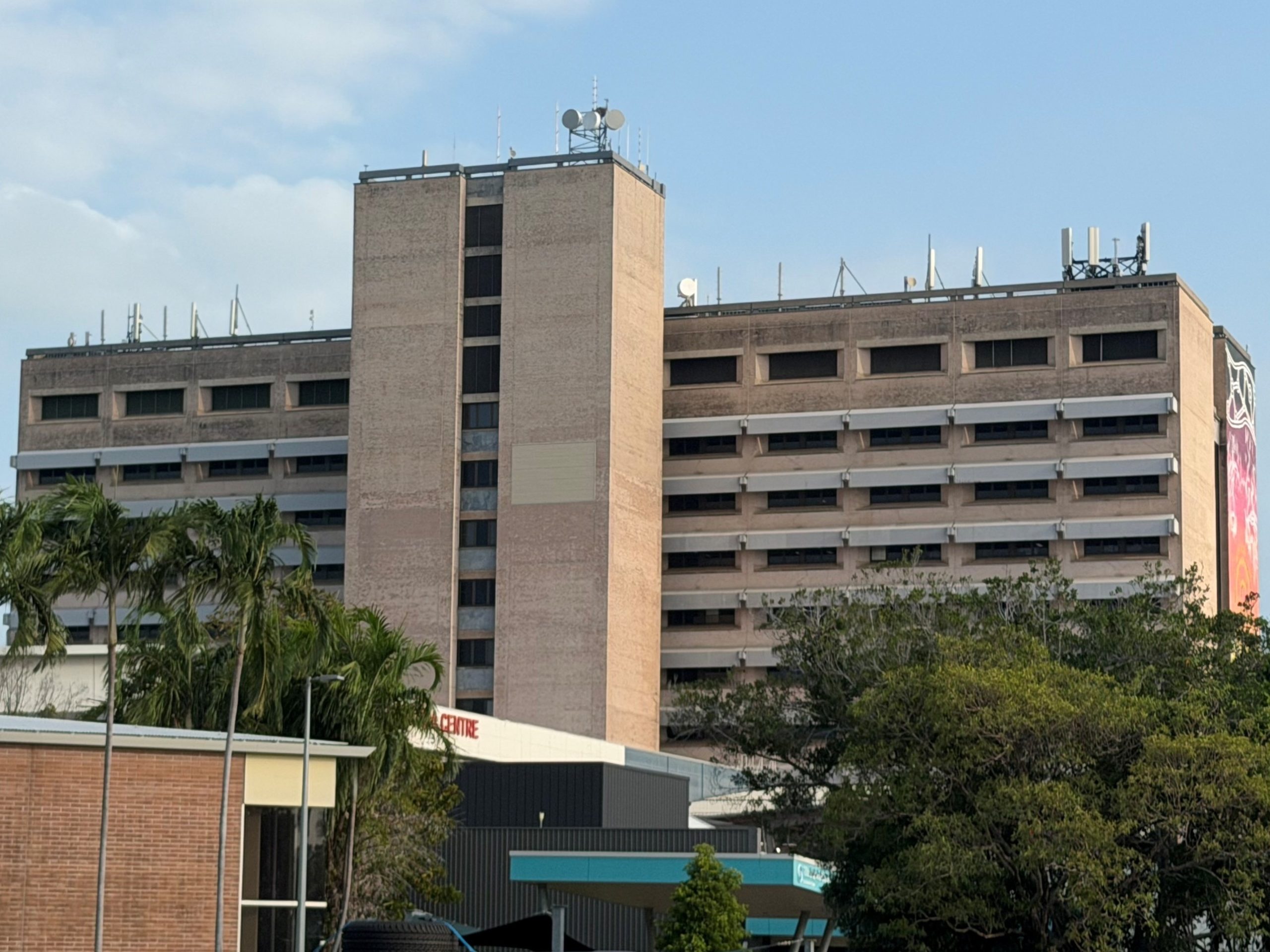
A woman in her 30s has died after developing a rapid infection from leptospirosis while hunting near a billabong in a remote Top End community, NT Health said.
The woman, who had underlying health conditions, died on October 28 at Royal Darwin Hospital after contracting the bacterial infection that is passed to humans through contact with water, mud, or soil contaminated by the urine of infected animals, including wild pigs, rats and cattle.
NT Health issued a public health alert last month following an increase in cases and has urged Territorians to take precautions against leptospirosis. There have been 11 cases so far this year in the Territory, with four of those requiring admission to an intensive care unit, the government said.

“Leptospirosis is a serious bacterial infection caused by Leptospira bacteria. It is spread through contact with water, mud or soil contaminated by the urine of infected animals, including wild pigs, rats and cattle,” a new health statement said on Thursday.
“The bacteria can enter the body through cuts or grazes in the skin, or through splashes to the eyes, nose and mouth.
“People who hunt, muster, bushwalk or work with animals need to remain vigilant, particularly when undertaking activities around billabongs, waterways and other environments where infected animals may be present.”
NT Health said areas with increased exposure include Fogg Dam/Harrison Dam, Oenpelli, Finniss River and Tipperary Station.
Rural Darwin, Katherine and Arnhem Land have also been identified as increased exposure areas, “particularly areas around water and flooding events”.
Reducing the risk of infection is crucial with NT Health recommending that people avoid wading through potentially contaminated water; cover cuts and wounds with waterproof dressings; wear protective clothing including boots and gloves when hunting or working in potentially contaminated environments; and washing thoroughly with soap and water after contact with animals, animal carcasses, mud or potentially contaminated water.
Symptoms of leptospirosis infection include sudden fever and headache, severe muscle pain in the legs and lower back, chills, sore or bloodshot eyes, diarrhoea and vomiting.
Anyone who experiences symptoms after potential exposure should seek urgent medical attention, as early diagnosis and treatment are critical.
More information on leptospirosis is available on the NT Health website or by contacting the NT Centre for Disease Control on 8922 8044.

0 Comments