

NT residents and visitors are advised to take extra precautions to protect against contracting the deadly melioidosis bacteria as the wet season approaches, following last year’s higher than usual infection rate that saw six people die.
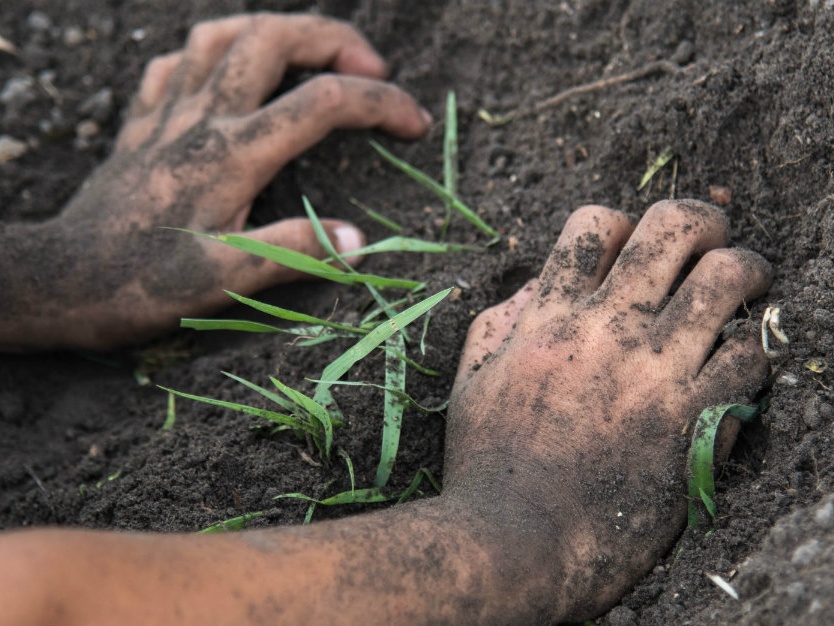
NT Health said that melioidosis—an infection caused by the bacterium Burkholderia pseudomallei found in tropical soil and water—can enter the body through cuts and sores. Melioidosis can also enter the body through inhalation.
“The bacteria can be blown around in the air and inhaled through dust and droplets,” Royal Darwin Hospital and Menzies Professor of Medicine Bart Currie said.
“People are more likely to come in contact with the bacteria during the wet season when bacteria increase after heavy rains and concentrate in the soil surface layers. Melioidosis most often causes lung infections and can also affect various other parts of the body, including causing skin sores that don’t easily heal.
“If left untreated, melioidosis can lead to severe pneumonia and blood poisoning, with around 10 per cent of infections leading to death.”
Around 50 cases of melioidosis were reported in the NT annually, with the majority of cases diagnosed from November to April.
However, cases in the most recent wet season (October 1 to April 30 this year) saw higher than usual rates of infections, with NT Health recording 80 cases of the disease and six deaths in the NT.

Melioidosis symptoms usually appear within one to three weeks after a person has been exposed to the bacteria. In some cases, the illness may not manifest until after several months, or even years, after the onset of infection.
Those infected with the bacteria are advised to seek immediate medical attention. Hospital admission and intensive antibiotic therapy may be required to treat melioidosis.
Melioidosis does not usually spread from one person to another or from animals to humans.
Symptoms include fever and sweats, headache, confusion, difficulty passing urine for men, skin sores that do not heal, or joint pain or swelling.
Professor Currie said those with underlying health conditions that lower immunity are more likely to develop melioidosis such as those suffering from diabetes, kidney and lung disease, people who take immune suppression therapy medications, heavy alcohol drinkers, cancer patients, and those with advanced age.
To minimize exposure to the disease, people are advised to wear covered waterproof footwear when outdoors, wear gloves while working in a soil-based environment, wash sores and cover them with waterproof bandages, use a face mask while operating high-pressure hoses around soil and paths and staying indoors during heavy wind and rain.
Those with symptoms should seek medical attention immediately.
For more information visit https://nt.gov.au/wellbeing/health-conditions-treatments/bacterial/melioidosis


0 Comments