

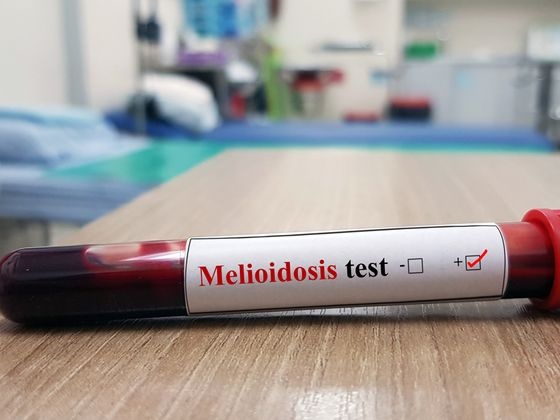
Territorians and visitors are advised to take extra precautions to protect against contracting the deadly melioidosis bacteria following recent periods of heavy rain and a spike in cases.
NT Health said that five cases of melioidosis have been notified in the NT in the past week. Since the beginning of the wet season in October, 28 cases of melioidosis have been notified in the NT.
During the last wet season, from October 2023 to April 2024, the Territory reported 72 cases of melioidosis, resulting in five fatalities, reflecting a decrease from the previous wet season (2022 to 2023), which recorded 87 cases and six deaths.
Healthcare workers in the Territory are actively monitoring for potential cases of melioidosis this wet season, emphasising the importance of prompt treatment. If not addressed quickly, melioidosis can result in serious pneumonia and sepsis, with approximately 10 per cent of infections in the NT resulting in fatal outcomes.
Melioidosis bacteria are found deep in the soil and can surface during heavy rainfall, increasing the risk of exposure.

The bacteria typically enter the body through cuts or wounds, making skin protection important. Inhalation can occur through dust or droplets. The infection often leads to respiratory symptoms like fever, cough, and difficulty breathing, and can cause abscesses and non-healing sores.
Symptoms usually appear within one to 21 days after exposure.
To minimise exposure to the disease, people are advised to wear covered waterproof footwear when outdoors, wear gloves while working in a soil-based environment, wash sores and cover them with waterproof bandages, use a face mask while operating high-pressure hoses around soil and paths and staying indoors during heavy wind and rain.
Individuals at a higher risk for melioidosis include those who are immunocompromised due to conditions such as diabetes, excessive alcohol consumption (including binge drinking), kidney or lung diseases, immunosuppressive therapies – particularly steroid use – as well as those with cancer or the elderly.
Everyone, particularly those people with high-risk factors, need to take action to protect themselves from melioidosis, NT Health said. Anyone concerned about having melioidosis symptoms should visit their local GP, clinic or hospital.
More information on melioidosis is available at: https://nt.gov.au/wellbeing/health-conditions-treatments/bacterial/melioidosis


0 Comments