

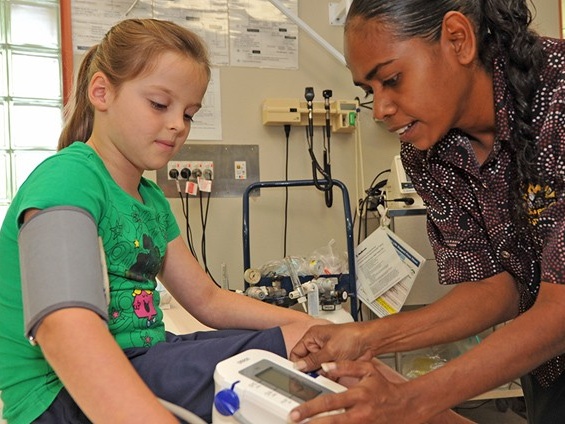
Staff turnover rates at Aboriginal Community Controlled Health Service clinics in remote parts of the Northern Territory and Western Australia stands at an alarming 151 per cent, according to a new study by the Menzies School of Health Research, that has raised concerns for public health across the NT.
The Menzies research highlighted a notable disparity in turnover rates between Aboriginal and non-Aboriginal staff members, with the rate for Aboriginal employees being half that of their non-Aboriginal peers.
This suggests that hiring local staff, who are more likely to have a deeper understanding of the community and its needs, could play a crucial role in fostering more stability within these services, researchers said. The potential benefits of this approach are promising, as local staff may also be more committed to staying in their roles, reducing the need for frequent recruitment and training.
“Growing our own local and skilled workforce is the best way to meet the health needs of communities across the NT,” Menzies School of Health Research Director Professor Alan Cass said.

“At Menzies, we are committed to supporting young people in regional and remote communities to overcome barriers to entering the health workforce. Through the Menzies-Ramaciotti Centre, we are building pathways and offering opportunities for people to train and develop skills and confidence to go on to higher education and employment.
“Long-term partnership and support is needed in the NT to make a difference.”
The study also noted a direct correlation between the extent of a location’s remoteness and its staff turnover rates, emphasising how service delivery in highly remote areas incurred higher costs, with frequent staff turnovers exacerbating these expenses.
Additionally, the challenge of retaining staff markedly affects the human resource aspect of remote ACCHSs, leading to a decline in the quality of healthcare services due to the loss of experienced staff and the need for frequent retraining, the authors said.
ACCHSs depend more heavily on temporary agencies and locum staff. This frequent turnover diverts resources towards expensive and lengthy hiring processes, such as advertising, interviewing, onboarding, and training new employees, which can take several weeks or months.
“Increased employment of local Aboriginal people could help improve the stability of the remote health workforce whilst simultaneously improving cultural safety for patients, as Aboriginal people bring a strong understanding of local culture and context,” lead author of the study and Menzies Research Fellow Dr Prabhakar Veginadu said.
“This requires increased support and training pathways to build the capacity of Aboriginal people.”
The study highlighted that current primary healthcare funding models need to resource remote ACCHSs for these higher costs adequately. It also raised the urgent need for more equitable, needs-based funding.

Congratulations to Menzies for this research.
May l suggest that full transparency , the truth can force change!
Within the gathered data may there have been cases wherein assault, fear were identified as issues that caused non- local clinicians leaving their positions!
I support Australian community locals being trained to provide best practices clinically, given that being “ local” may afford a safe workplace within the umbrella of a communities own form of governance in addition to family ties!
Congratulations to the bleeding hearts who lobbied Government for Aboriginal controlled Health Centres!!!
What have they achieved exactly?
The same housing and recruitment problems that plagued a well funded NT Government Health Clinics is the same issues that the not-so-well-funded Aboriginal controlled Health Centres now have!
There was 50 Plus NTG Health Clinics in remote communities in 2010! They had a large pool of staff/resources that could have been leveraged across the network of clinics. Not anymore.
Them Aboriginal controlled Health Centres are providing a third rate service to those communities!
My congratulations again! Bravo