

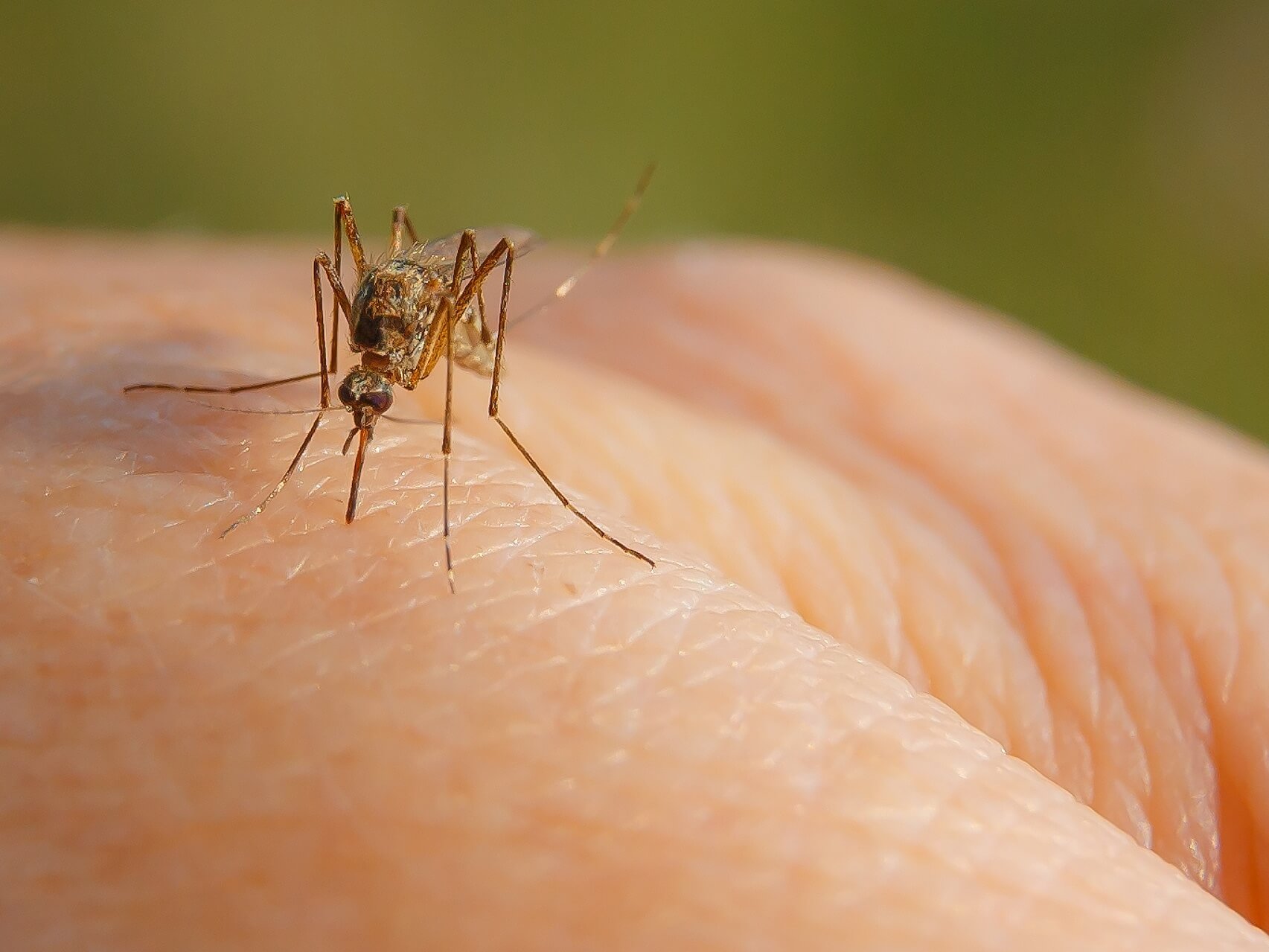
NT Health has advised Territorians and visitors to protect themselves from mosquito bites as numbers are expected to rise after the latest monsoonal showers.
NT Health Director of Medical Entomology Nina Kurucz warned that heavy rainfall and flooding that comes with monsoonal activity makes environmental conditions suitable for mosquitoes to breed prolifically.
Mosquito numbers usually increase around 10 days following heavy rainfall, she said.
Several species of mosquito can transmit viruses such as the Ross River and Barmah Forest viruses, including the deadly Japanese encephalitis and Murray Valley encephalitis viruses.
Ms Kurucz said that the hazardous time for the Ross River virus is from December to March, while the Murray Valley encephalitis and Japanese encephalitis peaks from January to June.
While the three cases of Japanese encephalitis were all diagnosed in the Territory two years back, infected mosquitoes and birds can carry the virus into other regions, especially during the monsoon season.
Territorians can avoid mosquito bites by:
- Wearing protective light-coloured clothing with long sleeves, long trousers and socks;
- Avoiding outdoor exposure near wetlands and flooded areas, especially after sundown;
- Using a protective repellent containing DEET, picaridin or oil of lemon eucalypt (PMD) and other mosquito protection devices;
- Making sure infants and children are adequately protected against mosquito bites;
- Using insecticide barrier treatments by pest control companies for use around residential grounds; and
- Ensuring windows and doors have screens to prevent mosquitoes from entering houses.
Ms Kurucz cautioned that the Territory is in the midst of a high-risk period for mosquito-borne viruses, and must expect to see an increase in the number of common banded mosquitoes which transmit diseases.
“The recent rainfall is a timely reminder for Territorians and visitors to protect themselves against mosquito bites, especially while outdoors,” she said.

0 Comments