

Male construction workers in the Northern Territory have a suicide rate close to double that of other employed men, national coronial data shows, with a support platform founder warning the industry can no longer treat bullying, isolation and psychological pressure as secondary workplace issues.
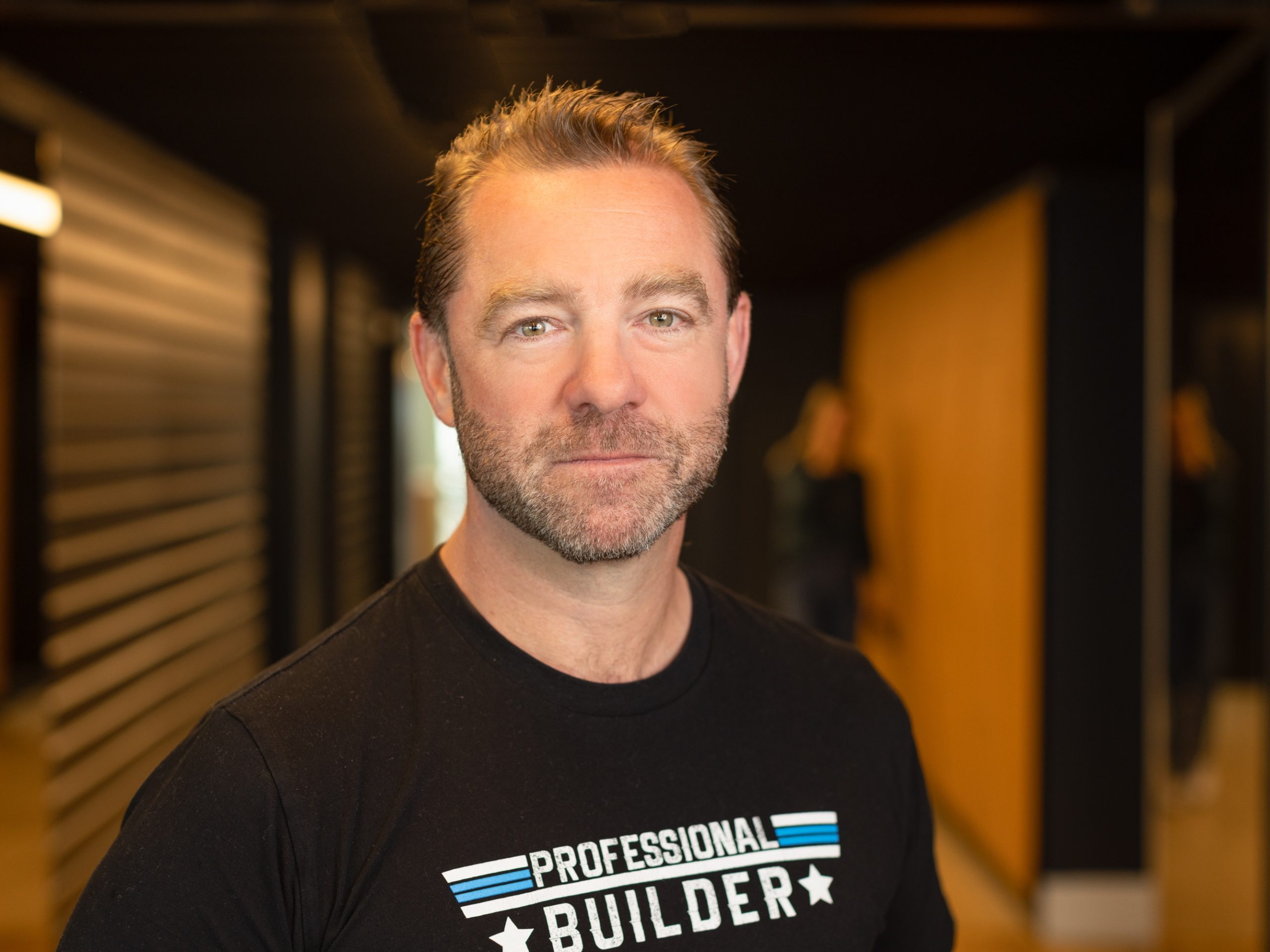
Former university lecturer and founder of The Professional Builder, Marti Amos, said suicide is now the leading cause of death in the sector, and should force stronger protections for apprentices, young tradespeople and emerging builders across NT worksites.
He said these should include tougher anti-bullying measures, earlier mental health intervention, workplace training, and practical business support for those exposed to financial stress, long hours, isolation and mounting project pressure.
“The NT has a significant construction workforce and the Territory is relying on that workforce to deliver its housing and infrastructure pipeline,” Mr Amos said.
“The problem is that many of the younger people the industry needs most are entering worksites where bullying, long hours, financial pressure and isolation can become part of the culture if they are not actively addressed.
“The latest research shows younger construction workers are at the centre of the sector’s elevated suicide risk. That should be a wake-up call for every builder, subcontractor and site manager in the NT.”

Mr Amos pointed to a 2026 study, Suicide rate trends in the Australian construction industry using 21 years of coronial data, by Associate Professor Tania King, Professor Anthony LaMontagne and Dr Humaira Maheen, which examined suicide mortality among Australian male construction workers compared with other employed men using National Coronial Information System data.
He said the study showed males workers aged 25 to 34 in the construction sector killed themselves at the highest rates, at around 35 deaths per 100,000 people. There was no directly comparable age specific figure provided for the NT, but the data provided by a 2025 study by the same researchers, prepared for MATES in Construction, showed the NT has the highest suicide rate among male construction workers in Australia, with 84 deaths documented over the past 19 years.
While a 2023 analysis of data by Jorgen Gullestrup, Ass Prof King, Professor Samantha L Thomas, and Prof LaMontagne shows male construction workers in the Territory have a suicide rate of 51.9 per 100,000, nearly double that of other employed men at 28.5 per 100,000.
Mr Amos said the research highlights several factors contributing to increased suicide risk in the construction industry, including job insecurity, temporary employment, stigma around mental health, cultural norms discouraging help-seeking, lack of job control, and time away from family and support networks.
He said those pressures are being intensified by tighter project margins, labour shortages, rising operating costs and increased pressure on builders to deliver homes at a time when affordability is already stretched.

Mr Amos said younger workers and apprentices can be particularly vulnerable because they often lack the authority, experience or financial security to challenge poor behaviour or speak openly when they are struggling.
“If bullying, isolation or psychological stress are not addressed properly, the long-term consequences can be severe,” Mr Amos said.
“We need to ensure younger workers are not only technically trained for the job, but are also properly supported from a mental health, business and workplace culture perspective.”
Mr Amos said The Professional Builder plans to run a series of workshops across the NT aimed at reducing stress and conflict inside building firms by improving financial visibility, project systems and leadership discipline.
“At the moment, many builders are working extremely hard, but without the structure needed to run a sustainable business,” Mr Amos said.
“What is required is a shift in how projects are delivered, how builders are trained and how the sector operates, so that the people responsible for building our homes and infrastructure can work in a way that is sustainable over time.
“If we want a safer and more resilient construction industry, we need to change how builders are supported, how projects are managed and how younger workers are protected.”
If you or someone you know is struggling with mental health, support is available. The following services provide free and confidential help.
Lifeline call 13 11 14 or go to the website www.lifeline.org.au; Suicide Call Back Service 1300 659 467 – www.suicidecallbackservice.org.au; Beyond Blue 1300 22 4636 – www.beyondblue.org.au; MensLine Australia 1300 78 99 78 – mensline.org.au; 13YARN 13 92 76 – 13yarn.org.au

0 Comments