

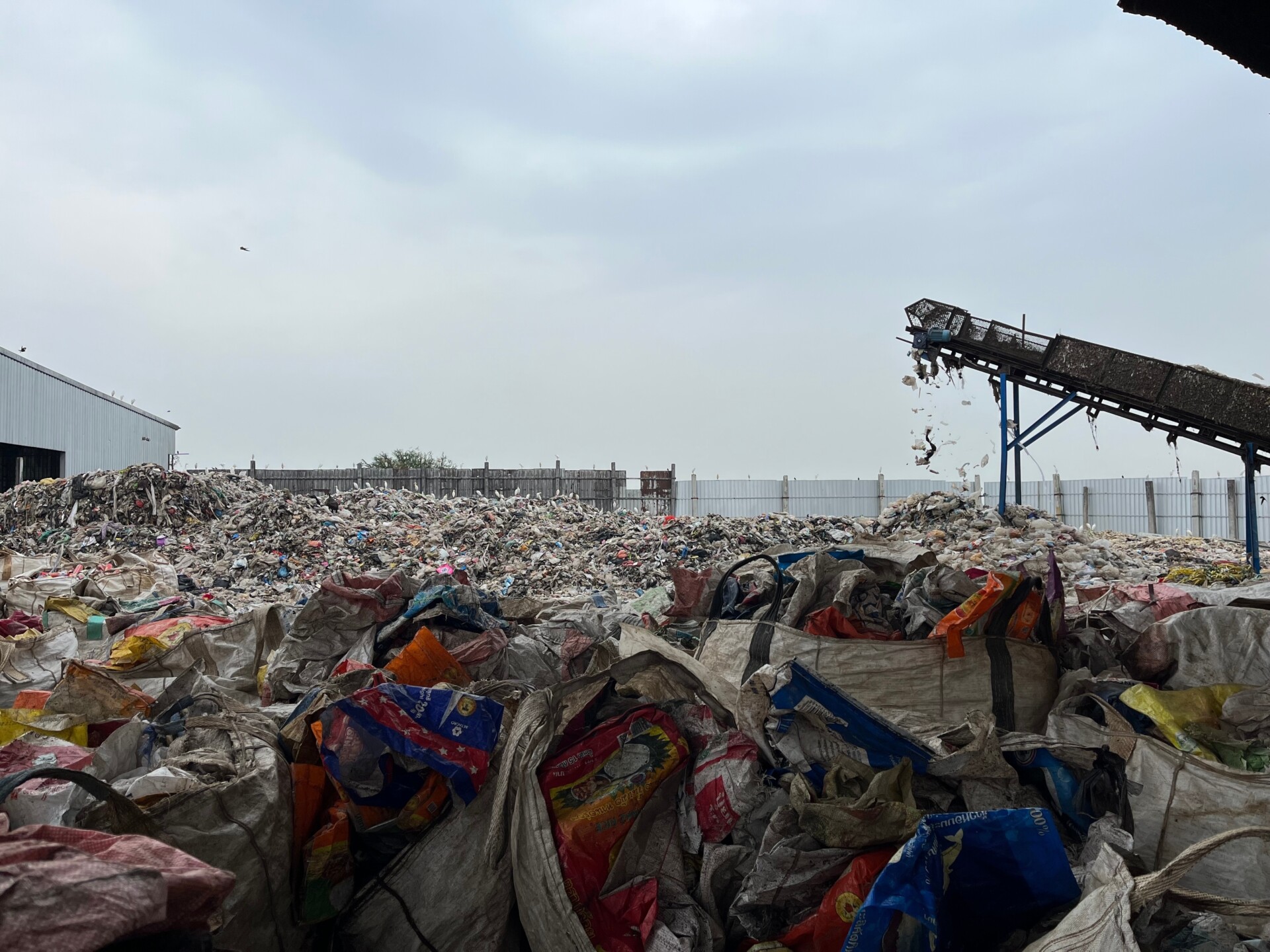

Researchers in a Charles Darwin University study commissioned by the West Arnhem Regional Council, have said they have estimated the costs of different ways of removing the increasing amount of rubbish from very remote communities, some of which has been there for almost a century.
Alice Springs CDU Northern Institute senior research fellow, Dr Deepika Mathur, was the lead researcher, and said they looked at integrated waste management options by examining five West Arnhem community landfill sites: Jabiru, Gunbalanya, Maningrida, Minjilang on Croker Island, and Warruwi on South Goulburn Island.
“The landfill sites examined as part of the study were well maintained with neatly sorted stockpiles, but regional councils generally have no rate-paying base to fund further waste management,” Dr Mathur said.
“This means remote communities find it particularly difficult to participate in the circular economy, mainly due to the high cost of transporting waste.
“Removal of multiple waste streams that require different waste packaging and types of transport, as well as different destinations for processing and recycling, is a major challenge for regional councils.”
The circular economy is a production and consumption model that aims to minimise waste by sharing, leasing, reusing, repairing, refurbishing and recycling materials and products.

Co-researcher Ellie Norris, who is a PhD student at CDU in Alice Springs, said they identified a range of possible solutions and developed frameworks for estimating waste removal costs.
She said the cost estimations could help councils gauge the affordability of different approaches, and help them budget for, and prioritise, the removal of different types of waste from very remote communities
The waste identified was scrap metal, car carcasses, white goods, construction waste, tires, car batteries, including waste oils, some of which the researchers said had remained at some dumpsites for almost a century due to high transportation costs.
“Removal costs were calculated based on data showing how much legacy waste was in each community, and estimates of how much waste is created weekly, monthly and annually,” Ms Norris said.
“We then worked with logistics companies, barge and road haulage, and waste processing companies, hazardous waste and metal recycling, to calculate the costs of removing priority waste streams from each community.”
Ms Norris said the study showed regional councils could implement supply chains for removing priority wastes, such as cardboard, container deposit scheme and construction waste, and remove listed waste and scrap metal regularly.
She said partnering with logistics companies to back-load waste could reduce the transport costs.


West Arnhem Regional Council approached Charles Darwin University to estimate costs of something????
Does West Arnhem Regional Council approach other organizations with precarious financial histories for financial costings and advice???