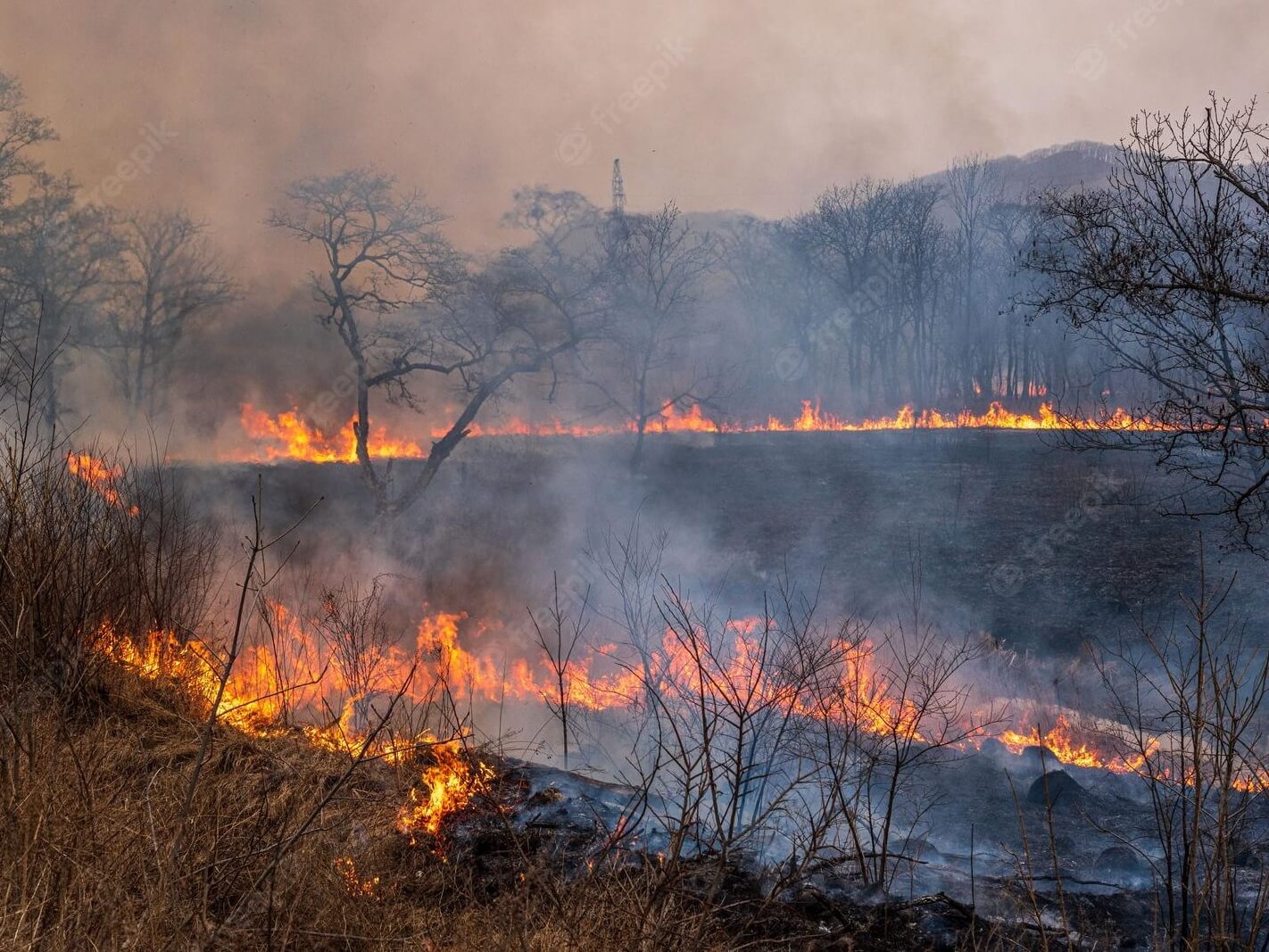
Savanna burning projects in the Territory are harming the health of Darwin residents with smoke pollution now exceeding the national pollution standards by more than 20 days per year, according to a new research paper from the University of Tasmania.
Professor Fay Johnston, who leads the Environmental Health research group at the Menzies Institute for Medical Research at the University of Tasmania, said data collected from fire management programs shows how Darwin’s air quality is getting worse and is not meeting the country’s daily quality standards for air during the dry season.
Prof Johnston said that carbon abatement burning is the main reason for air pollution getting more concentrated in the dry season and has become a worsening trend over the last five to six years in June and July.
“While there are several factors at play, early dry season burning for carbon credits is responsible for much of the smoke. Increased particles in the air increase the risk for anybody with respiratory problems,” Prof Johnston told ABC Radio.
“It’s like living with a smoker, where you inhale second-hand smoke. Pollution from the smoke also contributes to other illnesses like diabetes and puts people with heart conditions at a higher risk.”
While savanna burning projects deliver economic benefits to Indigenous communities and are seen to lessen greenhouse gas emissions, research shows smoke from the projects is harming human health.
Savanna fire management comprises controlled burns of grasslands during dry seasons to reduce the chance of large and more carbon-intensive fires later in the season. Land managers undertaking the savanna burning method receive financial incentives from carbon credits.
Other contributing factors could also include invasive weeds such as gamba grass.

Large amounts of savanna are burned by land managers before the end of July annually for the incentives. The arrangement has proven popular as registered projects now cover 25 per cent of Australia’s 1.2 million km tropical savannas. This includes 55 per cent of land within 500 km of Darwin.
The practice, however, makes air pollution worse, especially in Darwin. Hospital admissions for lung, asthma and heart disease go up during smoky days, which impacts Indigenous people excessively, the researchers said.
A large percentage of Darwin’s particulate pollution is caused by landscape fires, nearly all of produced by prescribed burning.
Dr Andrew Edwards, a research fellow at the Bushfires at Darwin Centre for Bushfire Research and Charles Darwin University, who has done a lot of work on the savanna burning industry said that burning has not increased particularly in the last 10 years and that other factors should be considered for the worsening smoke pollution.
Dr Edwards said during the same interview with the ABC that there are other more significant culprits affecting air quality around Darwin like the burning of gamba grass which is widely burned across the Territory and releases a lot of smoke.
“The increase in Darwin’s bad quality air days point out to gamba grass burning,” he said. “Emissions during burnings during the early dry season are less than half than what is emitted during wildfires, and a lot of this has to do with gambit grass and farming management.”


0 Comments