

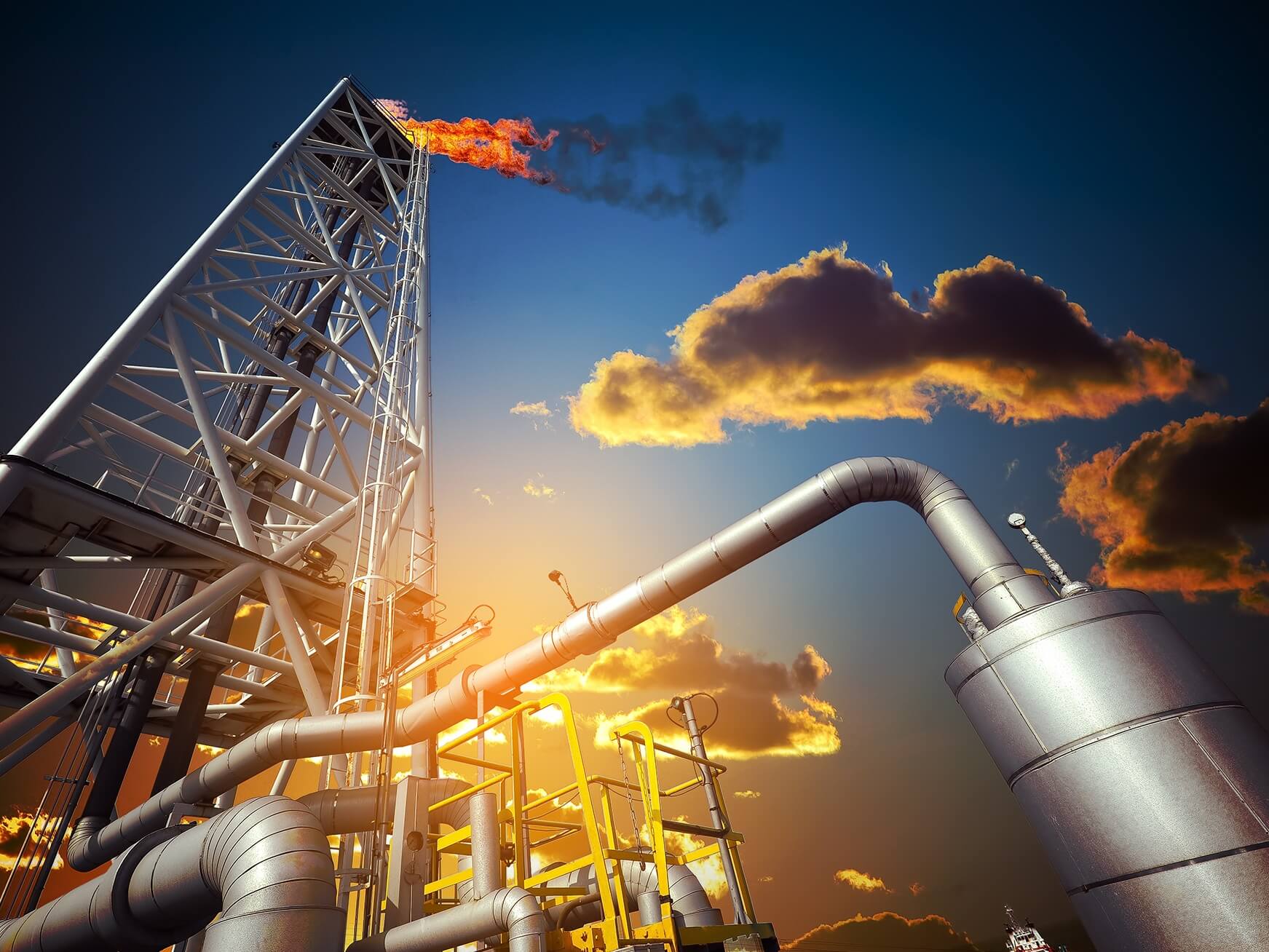
The local gas industry continues to be the main contributor to the Territory’s economic growth with a share of 15.53 per cent of the NT’s economy, according to a new study by ACIL Allen Consulting for Gas Energy Australia.
The industry’s economic contribution to the NT outweighs every other state, with WA recording an industry contribution of 8.76 per cent and Queensland recording a 5.94 per cent contribution.
Despite the disruption in operations of two major gas industry players Santos and Origin, the Territory Government said it remains confident that the economy would reach the targeted $40 billion by 2030, up from the present $26 billion.
But that would be dependent on gas production ramping up, something Chief Minister Natasha Fyles has cast doubt on with her recent comments about the proposed Middle Arm industrial precinct not having a petrochemical hub which would use LNG.
Gas, marketed as liquefied natural gas (LNG) is used across industries in the manufacture of plastics, detergents and cleaning products, explosives, agricultural chemicals, pharmaceuticals, textiles, and in food processing.
However, Ms Fyles has repeatedly said that there would be not petrochemical hub at the precinct despite the NT Government’s own reports and websites stating there would be petrochemicals and gas from the Beetaloo basin at the facility.

The study indicated that the country’s gas economy tops $70 billion annually and supports a quarter of a million jobs, underpinning 3.4 per cent of the national gross domestic product, and is headed for further growth.
However, renewables expert and entrepreneur Eytan Lenko, who was part of a recent government economic task force, pointed out that the Santos and Origin shake-ups have shown the risk of the Territory government’s constant focus on the oil and gas sector.
“You saw how quickly the rug can be pulled—two big projects in a single week,” Mr Lenko told ABC last month.
“We’re on much safer ground if we’re facing the future and we’re encouraging projects that are future-proof and are going to be beneficial to the economy for the long-term future, versus things that we know we’re going to have to phase out.”

Mr Lenko said government investment ought to be redirected towards renewable energy as it could also carry the government to its goal.
“Hopefully the penny’s dropping that gas isn’t as sure a thing as they thought, and there’s a lot of resources in the government working to develop the gas industry,” he said.
Eighty per cent of the country’s LNG is sold through long-term export contracts, with multinational gas companies profiting from exporting the country’s gas.
“We’ve not properly tackled the mechanisms to make sure that being the world’s largest exporter of gas means we’ve got some of the cheapest gas available to us…Unfortunately, that’s not happening,” Australian Workers Union national secretary Daniel Walton said.
Australian Council of Trade Unions head Sally McManus said since the war in Ukraine started, multinational energy corporations have been locking employees out of a fair share of companies record profits.
Until now, calls for a new tax on astonishing gas profits to pay for relief to consumers have been opposed by the Albanese government.


0 Comments