

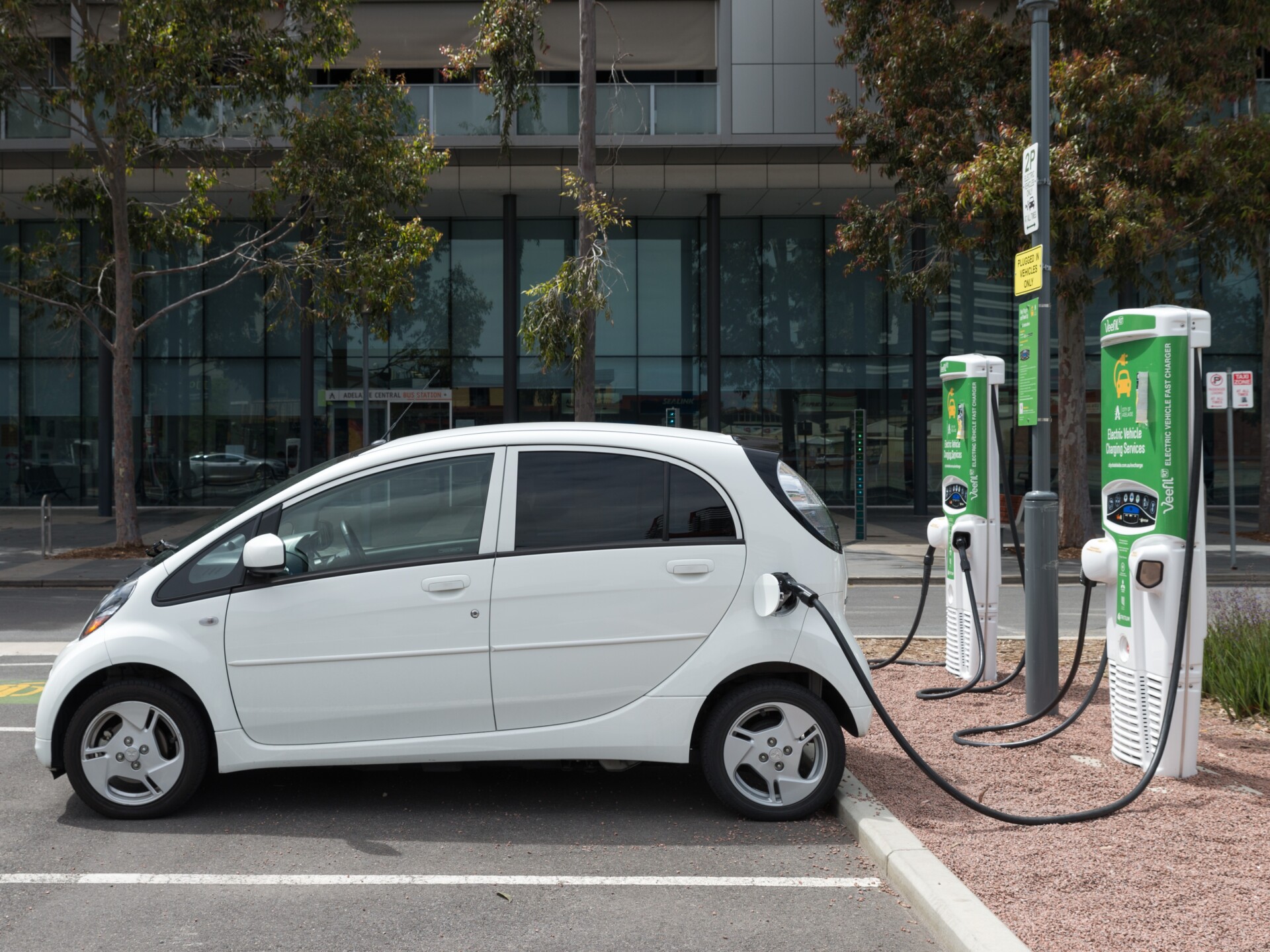
Electric vehicle purchases in the Territory rose by a modest one per cent compared to other states in the country, where EV purchases nearly doubled from 44,000 to almost 83,000 in 2022, with 20,000 of those made by Tesla.
The latest available data shows 61 EVs registered in the Territory as of the end of 2021, placing the jurisdiction last as a percentage of total sales for EVs or hybrid vehicles by state or territory.
The Australian Electric Vehicle Industry Recap 2022 report by Australia’s Electric Vehicle Council indicated that ACT still leads in terms of EV market share at 9.7 per cent. EVs in Victoria and NSW doubled their market share to 4 per cent of new vehicle purchases for the year; Tasmania with 3.7 per cent, Queensland with 3.5 per cent; and Western Australia with 3.4 per cent.
While both South Australia and the Territory EV sales almost doubled between 2021 and 2022, their EV purchases came from a much lower base.
The report said that while the uptake of EVs in Australia has doubled each year since 2020, EVs continue to make up for less than 0.5 per cent of the country’s passenger and light commercial vehicle fleet.
“Significant efforts will be required by Australian governments and industry to achieve a near 100 per cent zero-emission vehicle fleet by 2050 to align with our national and state climate targets of net zero by 2050 – at the latest,” the report said.
“This remains possible but in the near term will require the introduction of an ambitious fuel efficiency standard to significantly expand the supply of EVs to Australia. Continued support until at least 2030 will also be necessary to ensure EVs make up at least 50-60 per cent of all new vehicles purchased by then.”
For 2022, 70 different EV models – 38 BEVs (standard battery-powered EVs) and 32 PHEVs (plug-in hybrid electric vehicles) – were available in the country, which aided in pushing up sales.
However, the report said that the Australian EV market is still remarkably behind other markets in the region, for instance, China, where 28 per cent of new vehicle sales were EVs in 2022.
“There is still much more work to be done for Australia’s EV market to catch up to the world, and to support the achievement of our climate targets, including net zero emissions by 2050,” the report said.
The Northern Territory Government has previously committed to growing the number of charging outlets across new government-owned and leased establishments and offering stamp duty concessions and free registration for EVs for the initial five years of ownership.
The government also plans to shift its fleet to EVs at 20 EVs annually, which will total 200 by 2030.


0 Comments