

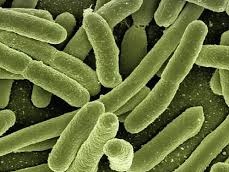
NT Health is alerting residents and visitors to be vigilant about melioidosis, with three cases reported in the Greater Darwin region since the start of the current reporting period on October 1.
The NT has seen an increase in melioidosis cases in recent years, rising from the average of 50 in recent years, which public health officials said could be potentially linked to La Nina weather patterns and unseasonably early heavy rainfall.
During the last reporting period between October 1, 2023, to September 30, 2024, there were five deaths out of the 72 cases, compared to 87 cases and six deaths the previous year.

Melioidosis bacteria reside deep in the soil. When heavy rainfall occurs at the beginning of the Wet season, these bacteria are brought to the surface, heightening the likelihood of exposure.
NT Health warned that melioidosis bacteria typically enter the body through cuts and wounds, highlighting the importance of covering and protecting your skin whenever possible. Wind can also stir up the bacteria, causing it to become airborne and potentially inhaled through dust and droplets.
Melioidosis frequently leads to lung infections with symptoms such as fever, cough, and difficulty breathing. It can also impact various body areas, resulting in abscesses and persistent sores.
Typically, individuals notice the initial signs of melioidosis within one to 21 days following bacterial exposure.
Untreated melioidosis can result in severe pneumonia and sepsis, with approximately 10 per cent of cases in the Territory resulting in death.
To protect yourself against melioidosis, it is essential to wear covered waterproof footwear when outdoors, use gloves while working in the garden or a soil-based environment, wash and cover sores and abrasions with waterproof dressings, wear a face mask while using high-pressure hoses around soil and paths, stay indoors during heavy wind and rain, and seek medical attention early.
The likelihood of melioidosis increases for individuals who are immunocompromised, due to factors such as diabetes, excessive alcohol intake (including binge drinking), kidney or lung diseases, immunosuppressive treatments—particularly with steroids—and those who are older or have cancer.
More information on melioidosis is available at https://nt.gov.au/wellbeing/health-conditions-treatments/bacterial/melioidosis

0 Comments