

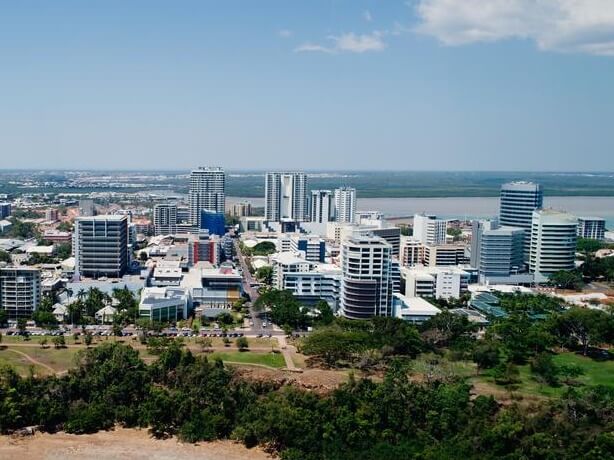
Fears around interest rate hikes prompted average property prices in Darwin to dip by 0.8 per cent for October – the first time this year – after remaining steady during the previous month, new figures from CoreLogic shows.
Unlike other Australian cities, however, Darwin’s property prices are not heading for a downtrend.
“Darwin would not experience the same fall as Sydney and Melbourne. We weren’t at a peak and we still haven’t reached our peak,” Raine & Horne Darwin general manager Glenn Grantham said.
Mr Grantham pointed out that the drop is just a minor weakening brought about by interest rate worries, saying that Darwin’s property market traditionally slows down during the Christmas season when people head down south.
“But some areas, like those around Zuccoli and Durack, are currently selling for anywhere up to five per cent higher than six months ago,” he said.
As of November 1, Darwin’s median house value stood at $588,053 with the regional median house value at $449,760, while the median value for housing units is pegged at $376,428.

Darwin is the only capital city in the country that kept pace with its average flow of new property listings, indicating the continued robust outlook of the market in the face of the Australia-wide influence of mounting interest rates.
Mr Grantham pointed out that Darwin’s market has been moving opposite to every other market in the country for the last 35 years.
“Our isolation and economic impact of all the spending coming up will increase our population and naturally that means prices have to go up,” he said.
“I believe the Darwin market will steady itself and move upwards up to 10 per cent in the next 12 months based on infrastructure projects.”
Last year, Darwin registered the third biggest increase in property rates at 4.9 per cent, with Adelaide coming out on top with a 16.5 per cent growth rate and Brisbane, second, at 8.4 per cent growth in property prices.
In the June quarter of this year, data from the Department of Treasury and Finance shows that the median house price for the Greater Darwin area increased by 0.4 per cent to $586,000, translating to an annual rise of one per cent, while the average unit price remained flat at $415,000, but has registered a 4.7 per cent increase annually.
For the same period, average weekly house rental costs went up by four per cent to $569 weekly, a rise of 2.9 per cent annually. The median weekly unit rents also increased by 6.1 per cent indicating a yearly rise of 10 per cent.

The number of houses sold in Greater Darwin also grew by 13.7 per cent to 407 registering an increase of 10.9 per cent yearly, while total units sold increased by 32.6 per cent to 362 and rose by 50.8 per cent annually.
For the same quarter, housing affordability in the Territory decreased with the percentage of family income needed to meet loan repayment going up by 1.7 percentage points (ppt) to 26.1 per cent.
The median weekly family income increased by 1.2 per cent to $2,269, while average monthly loan repayment increased by 8.2 per cent to $2,565.
The Territory posted the lowest proportion of income required to meet loan repayments of all jurisdictions and was recorded as the third least affordable rent of all jurisdictions.


0 Comments