


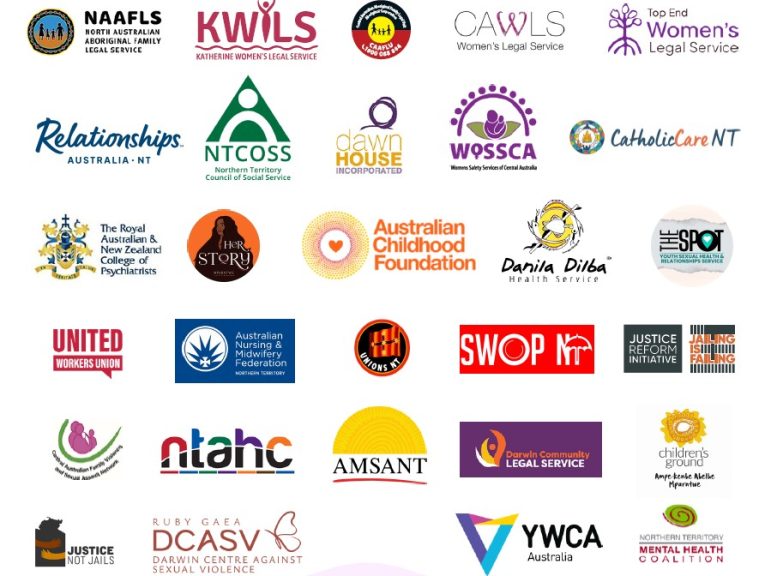
A group of 30 NT legal, Aboriginal, and family violence support organisations and others have publicly urged Chief Minister Lia Finocchiaro to include key safeguards in the government’s proposed reforms to sexual offence suppression laws, calling for victims to have a say in the development of the new laws.
In an open letter, the coalition – coordinated by the ‘My Story My Way’ campaign – expressed support for reforms but cautioned that passing legislation without proper consultation could put victim-survivors at risk of further harm.
Reforms to the NT’s sexual offence suppression laws were first flagged last month by Ms Finocchiaro who said the changes – that would see accused rapists and child sex offenders publicly named before being committed to stand trial – would be introduced by the end of the year.
But the groups, including the North Australian Aboriginal Family Legal Service, NTCOSS, the Justice Reform Initiative, and AMSANT, are concerned that will occur before victims and stakeholders can offer input.

No details of the changes have been provided despite Ms Finocchiaro claiming in October that Attorney-General Marie-Clare Boothby had “been doing the work to change the laws”.
The coalition is urging the introduction of key safeguards, including protecting children’s identities even after death; banning the identification of victim-survivors without their consent; ensuring courts respect bereaved families’ wishes; and removing obstacles that stop adult survivors from sharing their stories.
The groups are also requesting thorough input from victim-survivors and specialist services to shape the legislation before it is finalised – something the CLP Government has form for avoiding when introducing its legislative changes.
“Overwhelming legal, health and social services support reform to these laws. We absolutely know the importance of open justice particularly for victims, survivors and their families, but the CLP Government must put victims first,” Top End Women’s Legal Service CEO Caitlin Weatherby-Fell said.
“Anyone who has experienced sexual violence deserves to be front and centre of this conversation; the Country Liberal Party cannot rush these laws through on the back of a couple of high-profile cases. Victims deserve consultation, and for the government to get this right.”
Calls for bipartisan support on reforms
The coalition added this is a chance for all political parties to collaborate on reforms focused on consent, child safety, and the prioritisation of victims.
They also acknowledged the unique challenges of making legal reforms in a small jurisdiction such as the Northern Territory, which they said could see the naming of an accused person unintentionally revealing the identity of a victim-survivor, especially in remote and Aboriginal communities.
“It’s imperative that victims across the Northern Territory are reflected in these laws,” NAAFLS principal lawyer Clara Mills said.
“We are not asking anything of the government, they have not professed themselves. We must put victims and their families first in these laws. That requires a delicate balance of open justice and consent.
“The sector has shown this is a bipartisan issue with organisations across the political spectrum signing on. We welcome a meeting with Chief Minister Lia Finocchiaro and Attorney-General Marie-Clare Boothby to talk about how together we can put victims first in these reforms. We are still waiting to receive a response.”
Ms Finocchiaro first raised the changes following the case of Nathaniel Farrell, who pleaded guilty in October to one count of raping a four-year-old child at a Darwin town camp, which had been supressed for almost a year. The suppression order preventing the publication of his name was extended last year after he was committed to the Supreme Court.
The order also included the suppression of the names of the victim and witnesses.
Ms Finocchiaro’s office was contacted for comment, including if she or Ms Boothby will meet with concerned stakeholders before introducing the legislation.
READ THE OPEN LETTER:
To: Chief Minister and Members of the Northern Territory Government
Re: Sexual offence law reform – getting it right for victim-survivors
We, the undersigned community organisations, call on the Northern Territory government to ensure proposed reforms to sexual offence suppression laws put the rights, safety and choices of victim-survivors first. We support reform. Victim-survivors should not face unnecessary legal barriers to telling their own stories, and the justice system must be transparent and accountable. But greater transparency must not come at the cost of exposing people who have experienced sexual violence to further harm.
This is not a question of party politics. It is a question of consent, the best interests of a child, and the responsibility we all share to protect victim-survivors. Successive governments and members from across the political spectrum have recognised the importance of strengthening sexual offence laws. We urge the current government to continue that work through careful reform informed by the victims most affected.
Other Australian jurisdictions have demonstrated that accused people can be publicly identified while retaining important protections for victim-survivors. The Northern Territory has an opportunity to learn from those reforms and develop legislation that reflects our unique circumstances.
In a small jurisdiction, particularly in remote and Aboriginal communities, naming an accused person can inadvertently identify a victim-survivor through family relationships, kinship networks and community connections. Once that information becomes public, the harm cannot simply be undone.
Children deserve particular protection. No child should have to grow up with the details of their sexual abuse permanently accessible to the public. Where a child or loved one has died as a result of sexual violence, families deserve to have their wishes considered before deeply personal information is published.
We therefore call on the government to support the six calls of the My Story. My Way. campaign:
1.Remove unnecessary barriers preventing adult victim-survivors from choosing to tell their own stories.
2.Protect children’s identities, safety and long-term interests, including after death.
3.Ensure naming an accused person does not identify a victim-survivor without their consent.
4.Make informed, freely given consent central to decisions about public identification.
5.When a loved one is killed as a result of sexual violence, ensure families’ wishes are considered by the courts. 6.We also demand genuine consultation with victim-survivors and specialist services before these laws are changed.
These are reasonable safeguards that should attract support from every side of politics. We acknowledge the government’s stated commitment to putting victims first. We believe that commitment must include respecting a victim-survivor’s right to speak, their right to remain private, and their right to decide how their experience is shared. There is no need to rush legislation of this significance. There is every reason to get it right.
We call on the government to engage meaningfully with victim-survivors, families, Aboriginal communities, legal services and specialist sexual violence organisations before finalising the proposed changes. The Northern Territory has an opportunity to lead with laws that strengthen accountability without sacrificing consent, dignity or safety.
We ask all members of the Legislative Assembly, regardless of political affiliation, to work together to achieve that outcome. Victims must have the right to speak, the right to privacy and the power to choose.
Yours sincerely,
The undersigned Northern Territory community organisations

0 Comments