

Tougher takeaway alcohol sale restrictions in greater Darwin have been extended by a week without a public statement by the Liquor Commission while the Hospitality NT boss has said there was a lack of evidence for the decision.
Last Monday, the Director of Liquor Licensing invoked emergency powers to target the secondary supply of alcohol, and stipulated residents of the greater Darwin area would need to have proof of an address to buy alcohol. The Liquor Commission did not make the information public but the media reported on it after the NT Police Association put out a press release about it.
Initially in place for seven days, police warned in a statement the timeframe could be extended “if necessary”.
The Liquor Commission, established under the Liquor Commission Act, has not yet released an official statement on the new rules.
But an un-named spokeswoman for the Director of Liquor Licencing told the NT News the initial seven-day trial was not enough time to determine the impacts on the secondary supply of alcohol to remote communities.
The trial has now been extended until September 27 and can be extended again if necessary, she said.

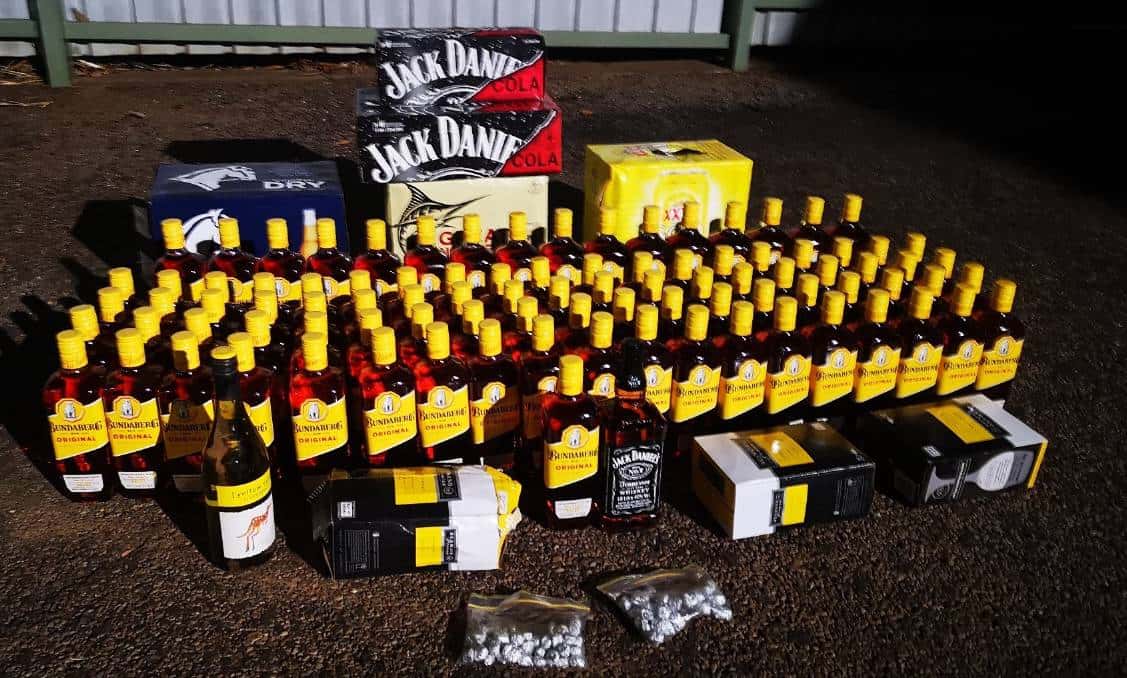
The tightening of restrictions came after NT Police seized more than 100 bottles of rum destined for a remote community.
At the time, Acting Assistant Commissioner Bradley Currie said NT Police were seeing an increase in alcohol-fueled incidents in remote communities, adding residents have been left “unable to purchase food, fuel or other essential goods and services.”
Hospitality NT chief executive Alex Bruce said it is likely the restrictions will be rolled out for an additional week, but raised concerns the powers were being introduced “without any natural justice or due process.”
Speaking on Mix 104.9 Darwin on Monday morning, Mr Bruce said the lack of evidence supporting the continued roll out “creates too much gray, and a lot of uncertainty”.
He said questions remained on how far the region extends, and how the initiative will be policed.
“How experienced are we expecting our bottle shop attendees to be?” Mr Bruce said, highlighting remote communities across the Northern Territory have different rules around the drinking of alcohol.
“I flagged last week that remote teachers and nurses get caught up in this when they traditionally have been buying from Darwin locations, even the public housing in and around Darwin and Palmerston – some of those can be flats with a per unit or per dwelling alcohol free permit,” he said.
Mr Bruce said “all of the risk now rests with licencees”.
“We don’t want to be labeled as doing anything in a discriminatory manner, or fashion… when we do think that there are better ways to address the legitimate concerns that police have.”
Instead, he said restrictions on the sale of alcohol should be monitored through “technological” upgrades to the BDR and the introduction of police liquor inspectors tasked with tracking the sale of alcohol, but highlighted resourcing would be an issue.
Police liquor inspectors have been in place in Katherine, Alice Springs and Tennant Creek for over a year.
They stand guard at the front of bottle shops, check IDs and request information about where customers will be consuming their purchase.
In August 2019, the NT Government touted alcohol-related hospital admissions in the surrounding areas and across the Territory had decreased compared with the previous financial year, as a result of the stricter rules.
At the time, Police Acting Commissioner Michael Murphy said the tougher restrictions and police auxiliary members at bottle shops had contributed to the prevention and reduction of alcohol-related harm in remote communities.
“Since the introduction of PALIs in Alice Springs, Tennant Creek and Katherine, we have seen first hand the positive impact, not only in the drop in alcohol-related assaults, but reductions in hospital admissions, protective custody apprehensions and improved community amenity in public areas,” he said.
“Financial year-on-year statistics show reductions in alcohol-related assaults down by 24 per cent across the entirety of the NT and reductions of up to 40 per cent in Alice Springs, 32 per cent in Tennant Creek and six per cent in Katherine.”

0 Comments