

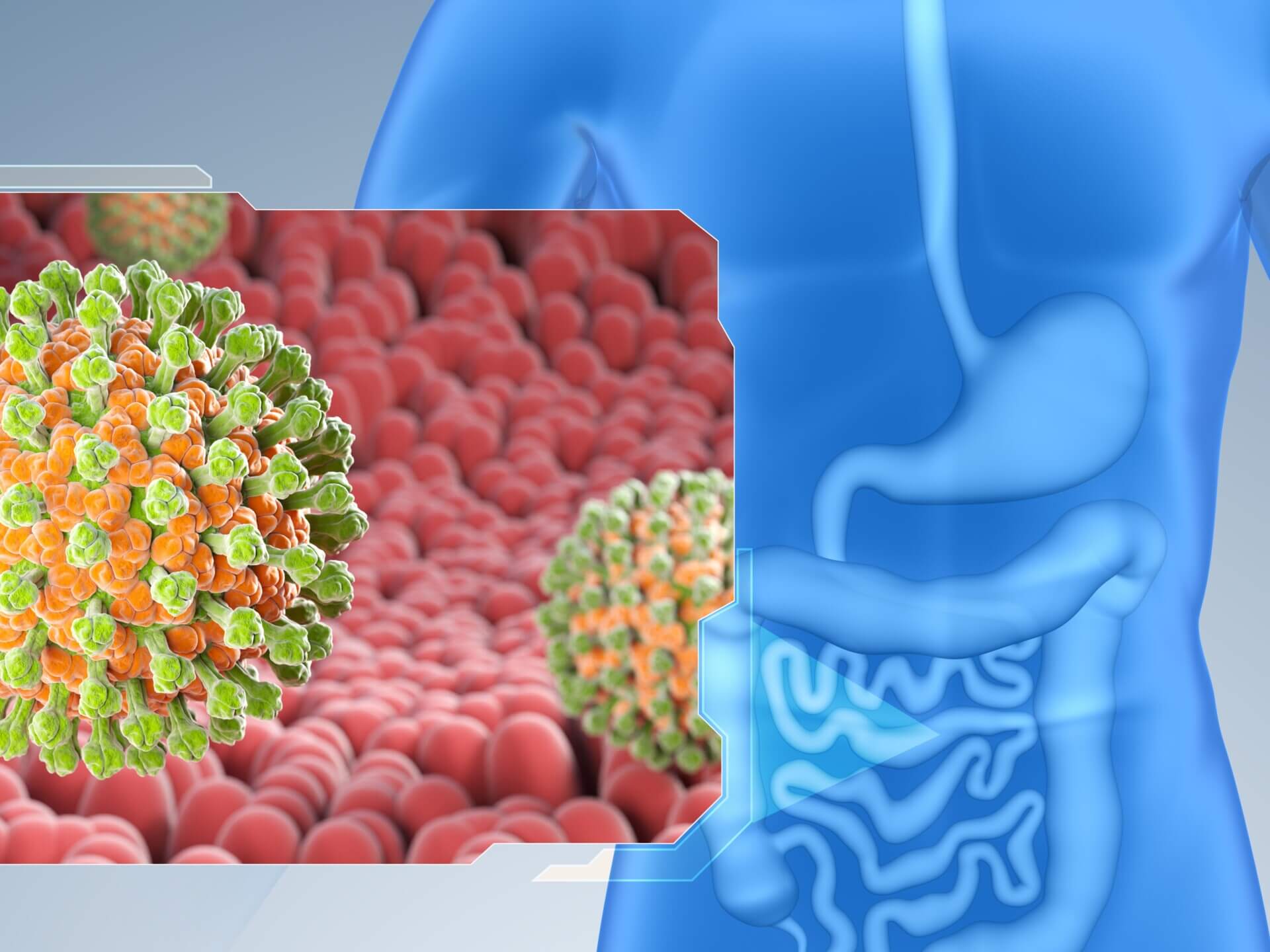
Cases of gastro caused by rotavirus have spiked over the last two months across the Territory, with health officials issuing an alert after instances of the virus skyrocketed to 91 cases since September 1 – up from three over the same period last year.
Rotavirus symptoms include fever, vomiting and watery diarrhoea, NT Health said in a statement, and warned it was likely to spread further.
Dr Vicki Krause, Director, Centre for Disease Control warns that Rotavirus is highly infectious, and can spread quickly and easily among families, carers, and in childcare centres.
A fifth of the recent cases have been in children under 10 who were not vaccinated against rotavirus.
Dr Krause said the virus mainly affects children under five, “but adults can also be infected and pass the virus on to others – even if they do not have any symptoms”.
Dr Krause has urged parents to schedule their children for a free rotavirus vaccine as it is very effective at preventing serious illness and death.
“The rotavirus vaccine is a free vaccine available on the NT immunisation schedule at six weeks and four months of age and must be given on time as it is not registered for use after 25 weeks of age,” she said.
In a statement, NT Health said the rotavirus vaccine has been very effective at minimising rotavirus outbreaks and deaths since its inception in 2006 in the NT.
It says the vaccination will not prevent all cases of rotavirus, but vaccination is very effective at preventing serious illness and death.
Rotavirus vaccine is still recommended for children who have already had rotavirus.
Dr Krause said rotavirus usually spreads by contact with someone who has the virus, but it can also occur when contact is made between a person’s mouth and food, water or objects such as toys that have been contaminated by tiny amounts of infected faeces or vomit.
“Recent cases of rotavirus have been reported across the NT and we expect further spread,” she said.
“A fifth of cases have been in children under 10 years of age who were not vaccinated against rotavirus.”
Dr Krause said good hygiene can help reduce the spread of the virus.
“Never change nappies on tables or counters where food is prepared or eaten. Clean change areas with warm soapy water and disinfectant after every nappy change, and clean books, toys, equipment, furnishings, floors and toilets regularly, including toilet door handles,” she said.
“There are no specific treatments for rotavirus, but it is important that sick people drink plenty of fluids such as water, oral rehydration fluids or diluted fruit juice.
“Babies should continue usual feeding methods with increased feeds and be offered extra boiled and cooled water between feeds. Babies and young children who refuse fluids, who are overly sleepy and anyone who is very unwell should always see a doctor.”
Anyone with diarrhoea should are also reminded not to prepare or handle food that will be eaten by others, not to attend childcare/school for 24 hours after the diarrhea has ceased, and not to swim in public pools.

0 Comments